3 Drills to Improve Your Ability to Catch Fly Balls
By guest author: Jim Bain
Just like any other position in baseball, playing the outfield is not nearly as easy as it appears, and just like any other position, there are drills which are intended to teach players how to properly execute their responsibilities. We'll briefly look at three drills which will increase your skills to catch a fly ball.
When someone says "The outfielder caught the fly ball," we normally visualize a player standing in one place, moving slightly to the flight of the ball, and easily catching the ball above their head with two hands. This type of play happens 1000s of times a day through out the youth ball parks of America, however just as many 1000s of times a day the player has to go get the ball, and those are the situations we'll review.
*** Whether a fly ball will be caught for an out or not is often determined in the initial reaction of the outfielder, his determination of what he must do before he even begins to move from his position, and should he determine wrong, well... he'd better hope he's extremely fleet a foot.
The Which Way to Turn Drill at first glance may appear rather odd, but the disciplines taught by this drill are extremely serious. Ever see a player going back on a fly ball only to realize the ball is on the wrong side of his body in order for him to catch it, then attempt to turn, tangling his feet and falling. That mistake was created by turning the wrong way when he initially began giving chase to the ball.
For this drill the coach will hit fungos, (fly balls) to the outfielders, but with a twist to the normal fielding exercise. The outfielder will be instructed to look down at the ground instead of at the coach or flight of the ball, until the coach yells "Now!" At that instant the player is to locate the ball, determine which way to turn, then attempt to field the fly ball.
The intent of this drill is two fold, forcing the fielder into instantly deciding on the proper way to turn and quickly reacting to give chase, which is a real plus when the ball is lost in the sun or lights, then relocated.
*** TheFootball Drill is a takeoff from the "Turn Drill" as the fielder will be running after the ball, as if choosing the correct direction to turn, and will catch the ball over his shoulder similar to a football receiver.
In order to correctly utilize this drill, unless the coach is very accurate with his hitting of fly balls where intended, it's better to loft the balls by hand. The intent is to familiarize the player with catching the fly ball while running sideways looking back, not to chase balls hit well beyond his reach.
*** The third drill is Turn and Go Drill. This drill is intended to teach players to anticipate the flight of the ball, run to an anticipated spot, then relocate the ball and catch it.
Let's assume the player is stationed in left field, the coach will indicate to the fielder he's going to hit the ball to left center field. Once the coach hits the ball, the player is to quickly analyze where he thinks the ball will land, run to that spot, then turn, locate, readjust and catch the ball.
These are extremely difficult drills intended for higher skilled players, but just another stepping stone in the long baseball education.
Jim Bain - Former Minor league baseball player, who since retiring has dedicated his life to teaching baseball to youth. Visit his exciting info packed website: http://www.Learn-Youth-Baseball-Coaching.com
Article Source: http://EzineArticles.com/?expert=Jim_Bain
=========================
Thanks to our sponsors:
The 4 Best Batting Tees in Baseball:
Advanced Skills Tee
Stay Back Tee
Hands Back Hitter
5 Position Batting Tee

Welcome to the YOUTH BASEBALL COACHING CLINIC. Our site features free articles, tips, and drills related to the successful coaching of youth baseball teams. Our information is useful to Little League, Dixie Youth, Babe Ruth, and Cal Ripkin baseball coaches.

Showing posts with label baseball drills. Show all posts
Showing posts with label baseball drills. Show all posts
Thursday, October 27, 2011

Tuesday, October 11, 2011
Correct Batting Practice Methods For Little League Baseball Teams
Correct Batting Practice Methods For Little League Baseball Teams
By guest author: Marty Schupak
In my eighteen years of coaching youth baseball, I am always looking for the most efficient practice methods for every aspect of baseball. It took me only a few years to realize that most youth baseball coaches and myself were running batting practice, not incorrectly, but not efficiently. From what I have seen with the typical batting practice, a coach will pitch a predetermined number of balls for each batter with the fielders fielding the hit balls and throwing them to first base. Usually the coach will yell something like "run the last one out", and the batter does just that. If the ball is an infield hit, they try to throw him out at first. If it is hit into the outfield, he usually runs until he is thrown out. This is all well and good intentioned, but it is wasting valuable time when a coach wants to run an efficient practice.
Here is the most efficient way of running a batting practice that I've come up with. First of all, let me say this. Batting practice is just what it is, batting practice. Batting practice is not fielding practice or base running practice. So all youth coaches and parents should really define what a youth batting practice is and what they want to get out of it.
Most of my youth practices do not run more than one hour. Every minute of wasted time will affect all other aspects and time of any other drills or techniques I want to accomplish. The first thing a coach needs to have is an over abundance of baseballs. The league will provide baseballs but I always make sure I purchase a few dozen extras. I try to work with three-dozen and keep an extra dozen in my trunk. And don't think I'm not frugal accounting for every baseball at the end of practice. I try to make sure we find each one, and after practice, we comb the field to make sure we got them all. Usually we find extras and end up with more than what we started with.
Now, here is the actual logistics and set up that I do about 95% of the time I run batting practice. I'm a big proponent of bunting. I set up two cones on the third base line, about six feet apart, approximately where the bunt is suppose to go. I set up two empty buckets, one about three feet behind second base and the other one at the far base of the mound toward second. I have another bucket with the baseballs on the mound easily accessible to me. Now, this is a key. As a youth coach who wants a well-run practice and a lot of repetitions for the kids, I move up almost to the front base of the mound to pitch. I do this mainly so I can throw strikes consistently. For safety purposes, an "L" screen would be required from a shorter distance for safety. If your league doesn't have any, make them get them.
I have the first person up at bat with the 2nd and 3rd player ready to go. I have the 3rd hitter (or double on deck hitter) on the outside of the screen hitting balls on a batting tee using pickle balls (plastic) or wiffle balls with another parent feeding the balls on the tee. I always have the number 2, or on deck hitter, ready to hit.
The batter bunts the first to pitches. For each successful bunt, the player receives an extra swing. I usually give a player five swings besides his two bunts. So if a player lays one bunt between the cones, he get six regular swings. If he lays both bunts between the cones, he gets seven swings (the maximum per hitter). Now, there are certain things that have to happen to make this work. Remember there are two buckets strategically located. After the bunts, when the hitter swings away, wherever the ball is hit, the fielder tosses it into the bucket closet to him. If it is hit to the outfield, he will throw the ball as close to the bucket behind second base. If he hits it to the infield, the fielder will toss it to the bucket behind the pitcher's mound. Reinforce to the players that they must toss to the bucket on one or two bounces or they will tend to play basketball with the baseball and bucket.
Now the point here is that the fielders do not make a play to first and the hitter does not run the last one out. We get more repetitions in a short period of time. The players are always facing the hitter. One might ask, isn't this boring for most of the players in the field? Well, not really. Because of the amount of balls hit in a short period of time, the ball is usually hit all over the place. And the coach throwing batting practice will keep one or two extra balls in his glove and is ready to pitch the next ball right away. When out of baseballs, have the players in the infield hustle to gather up the balls, combine buckets, and we're ready to go again. This works great!
Batting practice is a favorite of any baseball player at almost every level. Do not deny batting practice at any practice. And always look for the most efficient, safest procedure to help enhance your whole practice.
http://www.YouthSportsClub.com
http://www.VideosForCoaches.com
Marty Schupak has coached youth baseball for 18 years and is the video creator of "The 59 Minute Baseball Practice", "Backyard Baseball Drills", "Winning Baseball Strategies", "Hitting Drills & Techniques" and author of the popular book, "Youth Baseball Drills". He is a principle for Videos For Coaches and is also President of the Youth Sports Club, a group dedicated to making sports practices and games more enjoyable for kids.
Article Source: http://EzineArticles.com/?expert=Marty_Schupak
==========================
Thanks to our sponsors:
www.BatAction.com

---BatAction Machine at CoachesBest.com
---BatActionMachine on Ebay.com
---BatAction Machine Video Clips
---BatAction Trainer - 15 Reasons Why You Must Own This Machine
---Message to Parents From Coach Nick
---If you are looking for BatAction Replacement Balls or Power Bands Click Here
By guest author: Marty Schupak
In my eighteen years of coaching youth baseball, I am always looking for the most efficient practice methods for every aspect of baseball. It took me only a few years to realize that most youth baseball coaches and myself were running batting practice, not incorrectly, but not efficiently. From what I have seen with the typical batting practice, a coach will pitch a predetermined number of balls for each batter with the fielders fielding the hit balls and throwing them to first base. Usually the coach will yell something like "run the last one out", and the batter does just that. If the ball is an infield hit, they try to throw him out at first. If it is hit into the outfield, he usually runs until he is thrown out. This is all well and good intentioned, but it is wasting valuable time when a coach wants to run an efficient practice.
Here is the most efficient way of running a batting practice that I've come up with. First of all, let me say this. Batting practice is just what it is, batting practice. Batting practice is not fielding practice or base running practice. So all youth coaches and parents should really define what a youth batting practice is and what they want to get out of it.
Most of my youth practices do not run more than one hour. Every minute of wasted time will affect all other aspects and time of any other drills or techniques I want to accomplish. The first thing a coach needs to have is an over abundance of baseballs. The league will provide baseballs but I always make sure I purchase a few dozen extras. I try to work with three-dozen and keep an extra dozen in my trunk. And don't think I'm not frugal accounting for every baseball at the end of practice. I try to make sure we find each one, and after practice, we comb the field to make sure we got them all. Usually we find extras and end up with more than what we started with.
Now, here is the actual logistics and set up that I do about 95% of the time I run batting practice. I'm a big proponent of bunting. I set up two cones on the third base line, about six feet apart, approximately where the bunt is suppose to go. I set up two empty buckets, one about three feet behind second base and the other one at the far base of the mound toward second. I have another bucket with the baseballs on the mound easily accessible to me. Now, this is a key. As a youth coach who wants a well-run practice and a lot of repetitions for the kids, I move up almost to the front base of the mound to pitch. I do this mainly so I can throw strikes consistently. For safety purposes, an "L" screen would be required from a shorter distance for safety. If your league doesn't have any, make them get them.
I have the first person up at bat with the 2nd and 3rd player ready to go. I have the 3rd hitter (or double on deck hitter) on the outside of the screen hitting balls on a batting tee using pickle balls (plastic) or wiffle balls with another parent feeding the balls on the tee. I always have the number 2, or on deck hitter, ready to hit.
The batter bunts the first to pitches. For each successful bunt, the player receives an extra swing. I usually give a player five swings besides his two bunts. So if a player lays one bunt between the cones, he get six regular swings. If he lays both bunts between the cones, he gets seven swings (the maximum per hitter). Now, there are certain things that have to happen to make this work. Remember there are two buckets strategically located. After the bunts, when the hitter swings away, wherever the ball is hit, the fielder tosses it into the bucket closet to him. If it is hit to the outfield, he will throw the ball as close to the bucket behind second base. If he hits it to the infield, the fielder will toss it to the bucket behind the pitcher's mound. Reinforce to the players that they must toss to the bucket on one or two bounces or they will tend to play basketball with the baseball and bucket.
Now the point here is that the fielders do not make a play to first and the hitter does not run the last one out. We get more repetitions in a short period of time. The players are always facing the hitter. One might ask, isn't this boring for most of the players in the field? Well, not really. Because of the amount of balls hit in a short period of time, the ball is usually hit all over the place. And the coach throwing batting practice will keep one or two extra balls in his glove and is ready to pitch the next ball right away. When out of baseballs, have the players in the infield hustle to gather up the balls, combine buckets, and we're ready to go again. This works great!
Batting practice is a favorite of any baseball player at almost every level. Do not deny batting practice at any practice. And always look for the most efficient, safest procedure to help enhance your whole practice.
http://www.YouthSportsClub.com
http://www.VideosForCoaches.com
Marty Schupak has coached youth baseball for 18 years and is the video creator of "The 59 Minute Baseball Practice", "Backyard Baseball Drills", "Winning Baseball Strategies", "Hitting Drills & Techniques" and author of the popular book, "Youth Baseball Drills". He is a principle for Videos For Coaches and is also President of the Youth Sports Club, a group dedicated to making sports practices and games more enjoyable for kids.
Article Source: http://EzineArticles.com/?expert=Marty_Schupak
==========================
Thanks to our sponsors:
www.BatAction.com

---BatAction Machine at CoachesBest.com
---BatActionMachine on Ebay.com
---BatAction Machine Video Clips
---BatAction Trainer - 15 Reasons Why You Must Own This Machine
---Message to Parents From Coach Nick
---If you are looking for BatAction Replacement Balls or Power Bands Click Here
Tuesday, September 20, 2011
Common Sense Coaching, Teaching Hitting To Little League Baseball Players
Common Sense Coaching, Teaching Hitting To Little League Baseball Players
By guest author: Marty Schupak
One thing I learned in my 21 years coaching youth baseball is that there is no perfect way to coach hitters. I never considered myself an expert at teaching young 7-12 year old ballplayers the most refined hitting techniques. The most success I've had with improving hitters' techniques is when I didn't over coach them. I've attended my share of baseball conventions and hitting clinics.
Sometimes I come away more confused than when I went in. The hitting coaches I enjoy the most are the ones that simplify not just the hitting technique itself, but the explanation so young players will understand it. Most of the speakers at these clinics have incredible knowledge about hitting but I believe many should work on targeting their lessons to younger players. With that said, I would like to share the five biggest mistakes I see young players make year in and year out and what I do to correct them.
Mistake #1 is a batter stepping towards third base with his front foot. For lefty hitters it would be stepping towards first. For young players, this might be the most common hitting mistake I see. Instead of stepping toward the pitcher or even just lifting the front foot and putting it down, many players step toward third.
This can also throw off the whole rhythm of the player's swing and also reduce the amount of power the player can put into the swing. If the batter does make contact and hits the ball fair, the ball usually is a grounder to the right side of the infield. This hitting flaw is easy to recognize. To correct it can take time. What I do is take two pieces of 2X4 wood each about 36" long. Putting them on each side of the player's feet during batting practice will force his front foot from stepping to the side. Very rarely do players actually step into the wood while batting. Coaches should have the batter practice stepping first without even swinging for a few pitches. One session alone will usually not solve the problem but over a period of time this can work more times than not with most young players. You can also use two bats but I prefer wood because the bats can roll.
Mistake #2 is when the batter takes too big a step forward toward the pitcher. Many hitting coaches teach that batters need to limit excessive movement of the head. When a player takes an extra big step, his head can drop a good 4-6" or more. Plus, stepping too far forward can limit the batter's hip rotation and power. To help curb this, I will take a flat piece of wood like a piece of " plywood 4"X36" long. This would have to be cut to size. I put it about 6-8" in front of the player's front foot. He has to avoid stepping on it. Again, the coach or parent must give the player numerous repetitions to reinforce the muscle memory of the act.
Mistake #3 is when players lift their head too soon. Everyone who ever hit a baseball or a softball wants to see the result of their effort. At the youth level, batters will sometimes move their heads prematurely, losing site of the pitched ball. This is almost equivalent to a batter closing his eyes and trying to hit the ball. Young players tend to do the same thing when hitting off a batting tee. First, I have the player hit off the batting tee and he must yell "hit" upon contact. In giving them the extra challenge, this is forcing them to focus more and they will tend to keep their head and eye on the ball. The second technique is to color code a few balls.
I usually use blue painter's tape on some and yellow duct tape on others and keep some unmarked. So we have blue, yellow and white. Coaches and parents, if you do this do not over mark the balls with the tape. One small slice about two inches on each side is sufficient. Then a coach will throw the balls and the batter must track or follow the baseball into the catcher's glove. He will then call out the color once he recognizes it. The next step in this drill is to have the batter bat and yell out the color after swinging and making contact. I've had pretty good results with these two drills.
Mistake #4 is when a player stops his swing. I can't tell you how many young players I've seen who have a tendency to not swing through the baseball. This happens when a player makes contact with the ball. His swing all of a sudden slows down. We all know the importance of the follow through. Again, the batting tee has given me the best results. I stand next to the hitter and just tell him to swing through the ball. This is a process that can take a while. Also having him take numerous practice swings is a good idea.
Mistake #5 is the upper cut. To help solve this, I use the "Chair Drill." I set up a batting tee with a chair just behind it with the set up such that the bat must go past the highest part of the chair first. When swinging and trying to hit the ball off the tee, the batter must avoid hitting the back of the chair. I like to use the term swinging "high to low." The player understands this and knows what he has to do in this drill. I will also take a young batter and pitch batting practice and he has to try and hit only grounders without chopping down on the baseball. This also helps solve the upper cut issue.
For these remedies to work, repetition is the key. With young people, keep it simple. My own "Hitting 101" lesson is the soft toss drill 6-10 feet from a fence or a wall with rag ball (which are rags wrapped in masking tape). I then tell the hitter he must try and hit the ball so it lands at eye level or lower. I have no scientific proof but when the hitter does hit the ball at eye level or lower, it seems the batter is doing more things correct than not.
Hitting instructors are incredibly knowledgeable. They must convey their theories so both the hitter and the layman coach like myself can understand the common nuances of this great skill. And we all have to keep it simple and supplement all instruction with relevant hitting drills.
http://www.YouthSportsClub.com
Marty Schupak, President of the Youth Sports Club, has coached youth sports for 21 years and has run more than 1,500 youth sports practices. He is the creator of 22 sports instructional videos including the best selling video "The 59 Minute Baseball Practice." He is also author of the popular book, "Youth Baseball Drills." For samples of his videos, go to http://www.VideosForCoaches.com. Contact him at YouthSportsClub@aol.com.
Article Source: http://EzineArticles.com/?expert=Marty_Schupak
====================
Thanks to our sponsors:

SoftballrUs.com/FastpitchSoftballSupply.com is the ultimate online fastpitch softball online store. SoftballrUs.com has Batting Trainers,Pitching Training, Training Bats,Defensive Training Equipment,Coaching DVDs & Books, Softball Pitching Machines, Softball Complete Net & Frame Batting Cage Packages, Batting Cage Nets, Protective Practice Screens and Nets, and BatAction Hitting Machines, and much, much more. Visit Softballrus.com now!
By guest author: Marty Schupak
One thing I learned in my 21 years coaching youth baseball is that there is no perfect way to coach hitters. I never considered myself an expert at teaching young 7-12 year old ballplayers the most refined hitting techniques. The most success I've had with improving hitters' techniques is when I didn't over coach them. I've attended my share of baseball conventions and hitting clinics.
Sometimes I come away more confused than when I went in. The hitting coaches I enjoy the most are the ones that simplify not just the hitting technique itself, but the explanation so young players will understand it. Most of the speakers at these clinics have incredible knowledge about hitting but I believe many should work on targeting their lessons to younger players. With that said, I would like to share the five biggest mistakes I see young players make year in and year out and what I do to correct them.
Mistake #1 is a batter stepping towards third base with his front foot. For lefty hitters it would be stepping towards first. For young players, this might be the most common hitting mistake I see. Instead of stepping toward the pitcher or even just lifting the front foot and putting it down, many players step toward third.
This can also throw off the whole rhythm of the player's swing and also reduce the amount of power the player can put into the swing. If the batter does make contact and hits the ball fair, the ball usually is a grounder to the right side of the infield. This hitting flaw is easy to recognize. To correct it can take time. What I do is take two pieces of 2X4 wood each about 36" long. Putting them on each side of the player's feet during batting practice will force his front foot from stepping to the side. Very rarely do players actually step into the wood while batting. Coaches should have the batter practice stepping first without even swinging for a few pitches. One session alone will usually not solve the problem but over a period of time this can work more times than not with most young players. You can also use two bats but I prefer wood because the bats can roll.
Mistake #2 is when the batter takes too big a step forward toward the pitcher. Many hitting coaches teach that batters need to limit excessive movement of the head. When a player takes an extra big step, his head can drop a good 4-6" or more. Plus, stepping too far forward can limit the batter's hip rotation and power. To help curb this, I will take a flat piece of wood like a piece of " plywood 4"X36" long. This would have to be cut to size. I put it about 6-8" in front of the player's front foot. He has to avoid stepping on it. Again, the coach or parent must give the player numerous repetitions to reinforce the muscle memory of the act.
Mistake #3 is when players lift their head too soon. Everyone who ever hit a baseball or a softball wants to see the result of their effort. At the youth level, batters will sometimes move their heads prematurely, losing site of the pitched ball. This is almost equivalent to a batter closing his eyes and trying to hit the ball. Young players tend to do the same thing when hitting off a batting tee. First, I have the player hit off the batting tee and he must yell "hit" upon contact. In giving them the extra challenge, this is forcing them to focus more and they will tend to keep their head and eye on the ball. The second technique is to color code a few balls.
I usually use blue painter's tape on some and yellow duct tape on others and keep some unmarked. So we have blue, yellow and white. Coaches and parents, if you do this do not over mark the balls with the tape. One small slice about two inches on each side is sufficient. Then a coach will throw the balls and the batter must track or follow the baseball into the catcher's glove. He will then call out the color once he recognizes it. The next step in this drill is to have the batter bat and yell out the color after swinging and making contact. I've had pretty good results with these two drills.
Mistake #4 is when a player stops his swing. I can't tell you how many young players I've seen who have a tendency to not swing through the baseball. This happens when a player makes contact with the ball. His swing all of a sudden slows down. We all know the importance of the follow through. Again, the batting tee has given me the best results. I stand next to the hitter and just tell him to swing through the ball. This is a process that can take a while. Also having him take numerous practice swings is a good idea.
Mistake #5 is the upper cut. To help solve this, I use the "Chair Drill." I set up a batting tee with a chair just behind it with the set up such that the bat must go past the highest part of the chair first. When swinging and trying to hit the ball off the tee, the batter must avoid hitting the back of the chair. I like to use the term swinging "high to low." The player understands this and knows what he has to do in this drill. I will also take a young batter and pitch batting practice and he has to try and hit only grounders without chopping down on the baseball. This also helps solve the upper cut issue.
For these remedies to work, repetition is the key. With young people, keep it simple. My own "Hitting 101" lesson is the soft toss drill 6-10 feet from a fence or a wall with rag ball (which are rags wrapped in masking tape). I then tell the hitter he must try and hit the ball so it lands at eye level or lower. I have no scientific proof but when the hitter does hit the ball at eye level or lower, it seems the batter is doing more things correct than not.
Hitting instructors are incredibly knowledgeable. They must convey their theories so both the hitter and the layman coach like myself can understand the common nuances of this great skill. And we all have to keep it simple and supplement all instruction with relevant hitting drills.
http://www.YouthSportsClub.com
Marty Schupak, President of the Youth Sports Club, has coached youth sports for 21 years and has run more than 1,500 youth sports practices. He is the creator of 22 sports instructional videos including the best selling video "The 59 Minute Baseball Practice." He is also author of the popular book, "Youth Baseball Drills." For samples of his videos, go to http://www.VideosForCoaches.com. Contact him at YouthSportsClub@aol.com.
Article Source: http://EzineArticles.com/?expert=Marty_Schupak
====================
Thanks to our sponsors:

SoftballrUs.com/FastpitchSoftballSupply.com is the ultimate online fastpitch softball online store. SoftballrUs.com has Batting Trainers,Pitching Training, Training Bats,Defensive Training Equipment,Coaching DVDs & Books, Softball Pitching Machines, Softball Complete Net & Frame Batting Cage Packages, Batting Cage Nets, Protective Practice Screens and Nets, and BatAction Hitting Machines, and much, much more. Visit Softballrus.com now!
Friday, September 16, 2011
Are You a Good Youth Baseball Coach?
Are You a Good Youth Baseball Coach?
By guest author: Chip Lemin
Hello Coaches,
Are you ready for another season of watching your youth baseball team make tons of errors? Well, if your not,check out a few drills you can use winter work outs or spring training. These drills are fun for youth baseball players, along with helping them learn fielding fundamentals lacking many of today's youth baseball players.So print them up for for better results fielding the ball this year.
Outfield Bucket Drill
Place a large garbage can (clean one please) on its side, on home plate so that the opening faces second base
Players make 2 lines in right and left field. Coach is at 2nd base with bucket of balls. * Have the first two players in each line break away from their groups and assume a normal ready fielding position
Throw a soft pop fly into the air for the fielders to catch. * After the catch, they crow hop and throw the ball at cutoff-height to home plate. Instruct them to throw the ball into the bucket with the ball bouncing once or twice prior to home plate. Players rotate after each throw, and then
Change lines after 2 throws. Add grounders to the mix, showing them how to field balls along
With making proper strong throws home.
Throwing skills include aggressively squaring the body to the target, the crow hop; correct arm extension with fingers atop the ball and pointed straight back; grip the ball across the seams; hip roll and follow through.
Emphasize proper fielding techniques. The players should be catching the ball with there
Momentum taking them towards home plate or the base they are throwing to. Show them
How to run to the spot, step back some, and then come in on the ball. Receive the ball above the bill of their hat, slightly toward the throwing shoulder; glove fingers are pointed to the sky (not turned SIDEWAYS.
To improve focus of the players in this drill, make it a contest between 2 or 3 evenly matched groups. Make up scoring rules, and watch the focus improve. This always adds fun to a work
Out as long as the teams are even. Our Advanced course goes into drop steps, crossover steps, fielding grounders on the run, and much more.
Call out the Number Drill
Take 12 to 24 balls and put the number 1 or 2 on each ball, evenly divided as possible. Have players line up at shortstop, 2nd base, 1st base, and home plate with their gloves. Divide them evenly as possible; you can have whole team in on this drill if you want.
The thrower at home plate picks a ball out of the bucket, and rolls a pretty hard grounder to player at short. The player fielding the ball at short will call out the number on the ball, and throws it to 1st or 2nd base.
After ball is thrown to 1st base, that player will then throw ball to second base, where that player will run ball back to a bucket by shortstop. Each time a throw is made, the player must tag that base before the next throw is made. Errant throws must be retrieved and that base tagged before next throw is made. Any of the 3 players can go get the poor throw, but the throw must go back to the right base before the next throw is made.
The players rotate while ball is being put in the bucket (fielder goes to first, first baseman goes to second, and second baseman goes to end of line), or they can go to home plate and be a thrower. Thrower then would go to short to become a fielder.
The drill can be turned into a competition by splitting up into teams and simultaneously conducting the drill (other team starts in between home and first and throw to third for #1 and home for #2) or timing each team on how long it takes them to complete 12-24 balls. Emphasis should be put on setting the feet to throw to the proper base, along with a quick release with out taking an extra step, and that making good throws will avoid lost time chasing after wild throws. As players advance, make sure proper footwork for tagging a base and throwing to the next base is taught. Players should be taught to stay in low crouching position while making quick throws to 2nd base from shortstop
Circle the Bucket Drill
Helps player to use proper footwork (shuffling and rounding of ball) by circling the bucket before fielding ball. This will help them to use footwork that will square them to target, and provide momentum for their throws.
Need bucket of balls along with extra bucket.
Players line up at shortstop with a bucket 5 feet in front of them. The coach sets up at pitcher's mound with bucket of balls.
As the coach rolls slower speed grounders at the bucket, the player circles the bucket from the 3rd base side and fields the ball, keeping his footwork right, and momentum moving toward 1st base.
The speed of the grounders will increase, as players get better at this drill. This drill is about proper form, not how fast we do it. Increase speed only as players do drill correctly. To add more difficulty have players circle ball from first base side.
Have each player do this 5-6 times. You can have players be the rollers also, and then rotate back to fielding line.
I hope you find these drills helpful.The key to a good practice is that the kids have fun while they learn.You really don't have yell and shout if the team doesn't do it just right.Just look first for the effort.
Thanks Coach Chip
Hello My name is Chip Lemin. I'm a long time youth baseball coach who loves to promote this great game of youth baseball. Promoting sportsmanship in this game of youth baseball is something that really needs I feel. I have a free e-course that will give you some solid coaching information along with great help on the inter-personal relationships we must have to be good youth baseball coaches. Things such as parents, travel baseball, getting parents to help out, how to communicate better to parents and players, just to touch on a few. This course will help to organize practices like an elite coach. How to motivate players and other coaches with your positive attitude. It really is not very hard to be a great coach when you know what to do.Best of all you will learn how to have fun with these great kids that you have the privilege of coaching. Do yourself a favor and check it out, it's free,you will get 1 part every couple of days in your e-mail. Coaching can be fun and rewarding if you have a plan in place first, and you have an idea what you are doing.
http://www.baseballecourse.com
Article Source: http://EzineArticles.com/?expert=Chip_Lemin
========================
Thanks to our sponsors:
www.BatAction.com
---BatAction Machine at CoachesBest.com
---BatActionMachine on Ebay.com
---BatAction Machine Video Clips
---BatAction Trainer - 15 Reasons Why You Must Own This Machine
---Message to Parents From Coach Nick
---If you are looking for BatAction Replacement Balls or Power Bands Click Here
By guest author: Chip Lemin
Hello Coaches,
Are you ready for another season of watching your youth baseball team make tons of errors? Well, if your not,check out a few drills you can use winter work outs or spring training. These drills are fun for youth baseball players, along with helping them learn fielding fundamentals lacking many of today's youth baseball players.So print them up for for better results fielding the ball this year.
Outfield Bucket Drill
Place a large garbage can (clean one please) on its side, on home plate so that the opening faces second base
Players make 2 lines in right and left field. Coach is at 2nd base with bucket of balls. * Have the first two players in each line break away from their groups and assume a normal ready fielding position
Throw a soft pop fly into the air for the fielders to catch. * After the catch, they crow hop and throw the ball at cutoff-height to home plate. Instruct them to throw the ball into the bucket with the ball bouncing once or twice prior to home plate. Players rotate after each throw, and then
Change lines after 2 throws. Add grounders to the mix, showing them how to field balls along
With making proper strong throws home.
Throwing skills include aggressively squaring the body to the target, the crow hop; correct arm extension with fingers atop the ball and pointed straight back; grip the ball across the seams; hip roll and follow through.
Emphasize proper fielding techniques. The players should be catching the ball with there
Momentum taking them towards home plate or the base they are throwing to. Show them
How to run to the spot, step back some, and then come in on the ball. Receive the ball above the bill of their hat, slightly toward the throwing shoulder; glove fingers are pointed to the sky (not turned SIDEWAYS.
To improve focus of the players in this drill, make it a contest between 2 or 3 evenly matched groups. Make up scoring rules, and watch the focus improve. This always adds fun to a work
Out as long as the teams are even. Our Advanced course goes into drop steps, crossover steps, fielding grounders on the run, and much more.
Call out the Number Drill
Take 12 to 24 balls and put the number 1 or 2 on each ball, evenly divided as possible. Have players line up at shortstop, 2nd base, 1st base, and home plate with their gloves. Divide them evenly as possible; you can have whole team in on this drill if you want.
The thrower at home plate picks a ball out of the bucket, and rolls a pretty hard grounder to player at short. The player fielding the ball at short will call out the number on the ball, and throws it to 1st or 2nd base.
After ball is thrown to 1st base, that player will then throw ball to second base, where that player will run ball back to a bucket by shortstop. Each time a throw is made, the player must tag that base before the next throw is made. Errant throws must be retrieved and that base tagged before next throw is made. Any of the 3 players can go get the poor throw, but the throw must go back to the right base before the next throw is made.
The players rotate while ball is being put in the bucket (fielder goes to first, first baseman goes to second, and second baseman goes to end of line), or they can go to home plate and be a thrower. Thrower then would go to short to become a fielder.
The drill can be turned into a competition by splitting up into teams and simultaneously conducting the drill (other team starts in between home and first and throw to third for #1 and home for #2) or timing each team on how long it takes them to complete 12-24 balls. Emphasis should be put on setting the feet to throw to the proper base, along with a quick release with out taking an extra step, and that making good throws will avoid lost time chasing after wild throws. As players advance, make sure proper footwork for tagging a base and throwing to the next base is taught. Players should be taught to stay in low crouching position while making quick throws to 2nd base from shortstop
Circle the Bucket Drill
Helps player to use proper footwork (shuffling and rounding of ball) by circling the bucket before fielding ball. This will help them to use footwork that will square them to target, and provide momentum for their throws.
Need bucket of balls along with extra bucket.
Players line up at shortstop with a bucket 5 feet in front of them. The coach sets up at pitcher's mound with bucket of balls.
As the coach rolls slower speed grounders at the bucket, the player circles the bucket from the 3rd base side and fields the ball, keeping his footwork right, and momentum moving toward 1st base.
The speed of the grounders will increase, as players get better at this drill. This drill is about proper form, not how fast we do it. Increase speed only as players do drill correctly. To add more difficulty have players circle ball from first base side.
Have each player do this 5-6 times. You can have players be the rollers also, and then rotate back to fielding line.
I hope you find these drills helpful.The key to a good practice is that the kids have fun while they learn.You really don't have yell and shout if the team doesn't do it just right.Just look first for the effort.
Thanks Coach Chip
Hello My name is Chip Lemin. I'm a long time youth baseball coach who loves to promote this great game of youth baseball. Promoting sportsmanship in this game of youth baseball is something that really needs I feel. I have a free e-course that will give you some solid coaching information along with great help on the inter-personal relationships we must have to be good youth baseball coaches. Things such as parents, travel baseball, getting parents to help out, how to communicate better to parents and players, just to touch on a few. This course will help to organize practices like an elite coach. How to motivate players and other coaches with your positive attitude. It really is not very hard to be a great coach when you know what to do.Best of all you will learn how to have fun with these great kids that you have the privilege of coaching. Do yourself a favor and check it out, it's free,you will get 1 part every couple of days in your e-mail. Coaching can be fun and rewarding if you have a plan in place first, and you have an idea what you are doing.
http://www.baseballecourse.com
Article Source: http://EzineArticles.com/?expert=Chip_Lemin
========================
Thanks to our sponsors:
www.BatAction.com
---BatAction Machine at CoachesBest.com
---BatActionMachine on Ebay.com
---BatAction Machine Video Clips
---BatAction Trainer - 15 Reasons Why You Must Own This Machine
---Message to Parents From Coach Nick
---If you are looking for BatAction Replacement Balls or Power Bands Click Here
Thursday, September 8, 2011
Fundamental Youth Baseball Coaching Tips!
Fundamental Youth Baseball Coaching Tips!
By guest author: Stephen K Reynolds
Getting young players to keep their attention span at a high level is always a challenge for the youth baseball coach.
My Suggestion is to incorporate a games type scenario into your practices.
Heres is a great game you can use to keep your players practicing at their peak.
1st run some ground ball drills maybe cross field throws and after a while stop the practice and tell the players you are going to make it a friendly competition!!
Here is the game: get 6 players on ea side defense is pitcher, catcher, 1st base, 2nd base, 3rd base, and shortstop. Offense is 6 base runners, put them behind home plate and tell everyone you are going to hit ground balls at the defense and their objective is to get the runner out at 1st. Award a point when they get the runner out. After the play is over have the runner come back to home and get back in line.
Continue on with this drill go thru the defense 2-3 times and then switch sides.
Now continue on with this game. once you have done this again with the other team you can put a runner on 1st and run the same game but now they have the option of trying to get lead runner and then on to 1st possibly for the double play.
This is just 1 example of how to keep it interesting for your players. The main Secret for coaching youth baseball is to keep in exciting so you have the players focus the entire time you with them!!
Remember bottom line Keep it fun!
One of the reasons i am able to coach youth baseball is because I have home based business on the Internet which gives me the freedom to have a flexible Schedule.
If you would like more information about that contact me at
406-542-1723 or go to
[http://www.urticket.org]
Stephen K Reynolds is publisher of the LSR Unlimted "Free" newsletter which focuses on helping newcomers & seasoned pros learn the secrets to marketing in the ever changing world of the internet! For more information on this e-mail lsrwealth@gmail.com
(800)758-1282
406-542-1723
[http://www.urticket.org]
Article Source: http://EzineArticles.com/?expert=Stephen_K_Reynolds
========================
Thanks to our sponsors:
Baseball2u.com/CoachesBest.com is the ultimate online baseball training and coaching store. With over 1400 products organized into categories Baseball2u.com makes finding that baseball training product easy and simple. Order securely online or by phone. Baseball2u.com is a fully licensed company and has a full time staff available from 8:00 to 5:00 CST. Their toll free customer service number is 1-877-431-4487.

The Categories they have are: BatAction Hitting Machines, Hurricane Hitting Machines, Batting Cages, Pitching Machines, Jugs Equipment, Game and Practice Baseballs, Protective Practice Screens and Nets, Portable Pitching Mounds, Baseball DVDs & Books, Clearance Items on Sales, NEDCO Bataction Replacement Parts, Baseball Training Equipment, Youth Baseball Training Equipment, Training Bats, Pitching & Throwing Trainers, Defensive Trainers, SKLZ Hurricane Replacement Parts and Much Much More! Visit Baseball2U.com today!
By guest author: Stephen K Reynolds
Getting young players to keep their attention span at a high level is always a challenge for the youth baseball coach.
My Suggestion is to incorporate a games type scenario into your practices.
Heres is a great game you can use to keep your players practicing at their peak.
1st run some ground ball drills maybe cross field throws and after a while stop the practice and tell the players you are going to make it a friendly competition!!
Here is the game: get 6 players on ea side defense is pitcher, catcher, 1st base, 2nd base, 3rd base, and shortstop. Offense is 6 base runners, put them behind home plate and tell everyone you are going to hit ground balls at the defense and their objective is to get the runner out at 1st. Award a point when they get the runner out. After the play is over have the runner come back to home and get back in line.
Continue on with this drill go thru the defense 2-3 times and then switch sides.
Now continue on with this game. once you have done this again with the other team you can put a runner on 1st and run the same game but now they have the option of trying to get lead runner and then on to 1st possibly for the double play.
This is just 1 example of how to keep it interesting for your players. The main Secret for coaching youth baseball is to keep in exciting so you have the players focus the entire time you with them!!
Remember bottom line Keep it fun!
One of the reasons i am able to coach youth baseball is because I have home based business on the Internet which gives me the freedom to have a flexible Schedule.
If you would like more information about that contact me at
406-542-1723 or go to
[http://www.urticket.org]
Stephen K Reynolds is publisher of the LSR Unlimted "Free" newsletter which focuses on helping newcomers & seasoned pros learn the secrets to marketing in the ever changing world of the internet! For more information on this e-mail lsrwealth@gmail.com
(800)758-1282
406-542-1723
[http://www.urticket.org]
Article Source: http://EzineArticles.com/?expert=Stephen_K_Reynolds
========================
Thanks to our sponsors:
Baseball2u.com/CoachesBest.com is the ultimate online baseball training and coaching store. With over 1400 products organized into categories Baseball2u.com makes finding that baseball training product easy and simple. Order securely online or by phone. Baseball2u.com is a fully licensed company and has a full time staff available from 8:00 to 5:00 CST. Their toll free customer service number is 1-877-431-4487.

The Categories they have are: BatAction Hitting Machines, Hurricane Hitting Machines, Batting Cages, Pitching Machines, Jugs Equipment, Game and Practice Baseballs, Protective Practice Screens and Nets, Portable Pitching Mounds, Baseball DVDs & Books, Clearance Items on Sales, NEDCO Bataction Replacement Parts, Baseball Training Equipment, Youth Baseball Training Equipment, Training Bats, Pitching & Throwing Trainers, Defensive Trainers, SKLZ Hurricane Replacement Parts and Much Much More! Visit Baseball2U.com today!
Friday, September 2, 2011
Infield Drills For Softball and Baseball Players - Get the Outs Your Team Needs!
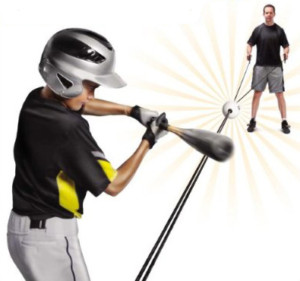
The ZipnHit PRO Youth Baseball Trainer is available at Baseball2u.com at a discount price.
Infield Drills For Softball and Baseball Players - Get the Outs Your Team Needs!
By Dennis McCurley
Some old expressions just get better with time. To be any good at almost any sport you must "keep your eye on the ball". This is especially true when it comes to playing an infield position on any softball or baseball team. To fully live up to this statement you must practice, practice, and practice some more.
Someone once said that practice makes prefect. I totally disagree. However, prefect practice will make one prefect. Playing any of the infield positions on a baseball diamond requires many skills and some talent. To improve at the skill level one must participate in the drills of practice.
The first drill that most coaches and players work on is simply ground balls. Here it is important for the fielder to ensure that he/she is in front of the ball as it approaches. In youth ball it is recommended that the player actually go down on his/her left knee for right handed, opposite for left handed, and field the ball. The reason for going down on one knee to make sure the glove is on the ground so the ball will go under the glove and into the outfield. It is easier for a young player to drop to one knee than it is to lower the butt to allow the glove to be on the ground.
After all players have fielded several ground balls now it is time to begin situational drills. No body is on base, the ball is hit on the ground to third, the third baseman scopes up the ball and throws to first. This drill is repeated until all infielders, including the catcher, fields several ground balls hit to his/her area and successfully throws to first.
Now then the situation changes. Here you have a runner on first so the intent is to make sure you prevent this runner from advancing to second. So, wherever the ball is hit the first throw is made to second base. If the ball is hit to the left side of the infield then the second baseman covers the bag. If the ball is hit to the right side of the infield then the shortstop covers second. After several of these situational plays have been made it is time to step it up just a bit.
Once again you have a runner on first with less than two outs. Now you will still be concerned with preventing the runner from advancing to second but also want to attempt to throw out the batter at first base. This is call a double- play and is very important in the games of baseball and even softball.
If the ball is hit to third base, the infielder fields the ball, he is to throw to second base which will be covered by the second baseman. Here it is very important for the third baseman to make sure he steps directly towards second. If his step is more towards left center then the ball will tail in that direction and pull the second baseman off of the bag therefore preventing the first out of the double-play. If his step is more towards right cent or even right field then the ball will tail in that direction causing the second baseman to be pulled into the base path and possibly causing a collision between the fielder and the runner. Even if the second baseman is able to apply the tag the umpire might rule runner interference and award the base to the runner. This is why it is imperative for the third baseman to work on his footwork so that he/she will be able to make a true throw to begin the double-play.
Assuming that the third baseman delivered the ball to the second baseman without pulling the player in any direction it is now time for the second part of the double-play. If the second baseman was at the bag when he/she caught the ball all that needs to be done is the bag needs to be touch by either shoe, a step backwards is taken, then step and throw to first. This is the ideal way in which to turn a double-play. If the second baseman receives the ball as he/she is approaching the bag then the base must be touched and since the forward progress will take the player towards third the fielder would then jump in the air, twist his/her body around in the direction of first base, and then attempt the throw. I am sure that you can easily see why being at the base before the throw is the best way to complete this type of double play.
Now then if the ball is hit to the shortstop a simple relay toss needs to be made to the second baseman. Here it is important to make sure that the shortstop does not throw the ball in the same manner as if he was throwing to first base. While a quick throw is important, throwing the ball too hard for such a short throw will probably end up with the ball being missed or dropped by the second baseman. Again it is best for the second baseman to be at the bag awaiting the throw so he/she can then pivot and make the throw to first.
If the ball is hit to second the fielder must set his/her feet to make a clean toss or throw to the shortstop so that the throw to first can be made quickly and accurately. If the second baseman fields the ball as he/she is headed towards second then a simple underhand should suffice. If the fielder is moving towards first then the fielder will have to set his/her feet to enable an accurate throw to second which normally will be a sidearm throw.
Now then, if the ball is hit to the first baseman he/she will need to make sure that the lead foot is inline towards second base so the shortstop can then relay the ball back to first. The same manner as the third baseman the footwork must be correct. Again if the lead foot is more towards left field the ball will tail in that direction and if the foot is more towards center field the ball will tail that way. After making the throw the first baseman must then turn and return to first so that the relay throw from the shortstop will have a chance of completing the double-play.
After these situations have been covered and fully explained it is now time to work on the pop-up. Here it is important for the fielder to position themselves under the pop fly. They should make the catch with both hands to assure that the ball will not be able to spin out of their glove. If games will be played during the day then each fielder will need to practice shielding the sun from their eyes by using their glove to block the sun. This is not as easy as it appears but with practice the skill is obtainable.
By working on these drills one can only hope that the learned skills will equate into the outs that are needed to be reached in every game. Remember, practice does not make one prefect;however, prefect practice does enable one to be prefect.
Article Source: http://EzineArticles.com/?expert=Dennis_McCurley
Article Source: http://EzineArticles.com/5999412
============
Thanks to Our Sponsor – Baseball2u.com
BatAction Youth Hitting Machine
BatAction 360
SKLZ Lightning Bolt Pitching Machine
SKLZ Light Bolt PRO Pitching Machine
Joe Mauer PX4 QuickSwing Baseball Trainer
Advanced Skills Tee by Muhl Tech
SKLZ 5 Position Batting Tee
ZipnHit Pro Baseball Swing Trainer
Jugs Small Ball Pitching Machine
Friday, August 19, 2011
Fundamentals of Throwing a Baseball
Fundamentals of Throwing a Baseball
By guest author: Lou Schneider
I know you are busy. Life is hectic. However, you want to make the most of teaching youth baseball skills to your team, child or youth organization. This article is designed to reduce the amount of time you must invest, to be a more effective coach, teacher, parent or administrator of youth baseball players. The following instruction will provide easy to use methods to teach youth baseball players the proper fundamentals when throwing a baseball.
These baseball throwing fundamentals are designed for parents, managers and coaches to instruct players on properly throwing the baseball to:
1. Improve your throwing accuracy
2. Maximize your throwing speed
3. Improve the speed of the glove to hand exchange
4. Reduce the risk of arm injuries
Holding the baseball
It all starts here! The key to baseball throwing fundamentals starts with holding the ball correctly. The correct way to hold a baseball is using what's called a 4-seam grip. Please note - Pitchers grips can and will vary, as ball movement may be desired to deceive hitters. This grip should be used by all other positions.
I'll take you through the proper way to hold and throw a baseball. I'm constantly amazed at how few players properly hold and throw a baseball. This technique will make your son throw with more velocity, more accurately, and reduced injury risk. You should only use your index and middle fingers and your thumb. Your index and middle fingers should be on top of the ball crossing the widest seams. Your thumb will support the weight of the ball on the bottom of the grip. Don't squeeze the ball, but hold it tight enough so you won't drop it. Leave a little space between the ball and your hand.
Advantages of using this grip:
1. Better accuracy, as the ball is less likely to tail away from your target.
2. Ball will travel further with less effort, as it takes a more direct route to the target.
3. Ball will get to the target faster, as it takes a more direct route.
Releasing the Baseball
The last motion before you release the baseball should be a wrist flicking motion toward your target that creates a backspin on the baseball. Even though it's the last motion in the process, it should be taught and practiced before the rest of the motion as it should be reinforced as the others parts are learned. This motion, combined with the 4-seam grip, will ensure you maximize the above referenced advantages of this technique.
Bringing it all Together with the Proper Upper/Lower Body Movements We'll cover 4 steps in this section to complete the baseball throwing fundamentals technique:
1. Ready Position
Begin by holding the ball in your throwing hand using the 4-seam grip to begin.
Your glove side shoulder and arm should face your target. At this time, your feet should be shoulder width apart and square with your body.
2. Weight Transfer
Your weight should shift to your rear leg (throwing arm side leg). Once your weight has shifted to your back foot, your throwing arm will extend away from your target (4-seam hold, fingers on top, thumb on bottom) while your glove arm extends toward the target. Take a small step toward your target as your arms extend. This will begin the transition of your weight from back to front. Proper weight transition will give you better leverage, thus more power behind your throw. This increases the velocity of your throw.
3. The Throw
Simultaneously:
-Pivot your waist/hips to square with your target
-Pull your glove away from the target
-Move your arm toward the target (elbow will be above the shoulder).
4. Follow Through
Simultaneously release the ball to its target, continue your throwing arm down (towards the ground) and across your body and follow with your throwing arm leg moving forward toward the target.
Lou Schneider
http://youth-baseball-made-easy.com/
Dedicated to providing coaches and parents the tools to teach baseball fundamentals and drills to youth players. Please visit the website for more detailed instruction including illustrations.
Article Source: http://EzineArticles.com/?expert=Lou_Schneider
=========================
Thanks to our sponsors:
www.BatAction.com
---BatAction Machine at CoachesBest.com
---BatActionMachine on Ebay.com
---BatAction Machine Video Clips
---BatAction Trainer - 15 Reasons Why You Must Own This Machine
---Message to Parents From Coach Nick
---If you are looking for BatAction Replacement Balls or Power Bands Click Here
By guest author: Lou Schneider
I know you are busy. Life is hectic. However, you want to make the most of teaching youth baseball skills to your team, child or youth organization. This article is designed to reduce the amount of time you must invest, to be a more effective coach, teacher, parent or administrator of youth baseball players. The following instruction will provide easy to use methods to teach youth baseball players the proper fundamentals when throwing a baseball.
These baseball throwing fundamentals are designed for parents, managers and coaches to instruct players on properly throwing the baseball to:
1. Improve your throwing accuracy
2. Maximize your throwing speed
3. Improve the speed of the glove to hand exchange
4. Reduce the risk of arm injuries
Holding the baseball
It all starts here! The key to baseball throwing fundamentals starts with holding the ball correctly. The correct way to hold a baseball is using what's called a 4-seam grip. Please note - Pitchers grips can and will vary, as ball movement may be desired to deceive hitters. This grip should be used by all other positions.
I'll take you through the proper way to hold and throw a baseball. I'm constantly amazed at how few players properly hold and throw a baseball. This technique will make your son throw with more velocity, more accurately, and reduced injury risk. You should only use your index and middle fingers and your thumb. Your index and middle fingers should be on top of the ball crossing the widest seams. Your thumb will support the weight of the ball on the bottom of the grip. Don't squeeze the ball, but hold it tight enough so you won't drop it. Leave a little space between the ball and your hand.
Advantages of using this grip:
1. Better accuracy, as the ball is less likely to tail away from your target.
2. Ball will travel further with less effort, as it takes a more direct route to the target.
3. Ball will get to the target faster, as it takes a more direct route.
Releasing the Baseball
The last motion before you release the baseball should be a wrist flicking motion toward your target that creates a backspin on the baseball. Even though it's the last motion in the process, it should be taught and practiced before the rest of the motion as it should be reinforced as the others parts are learned. This motion, combined with the 4-seam grip, will ensure you maximize the above referenced advantages of this technique.
Bringing it all Together with the Proper Upper/Lower Body Movements We'll cover 4 steps in this section to complete the baseball throwing fundamentals technique:
1. Ready Position
Begin by holding the ball in your throwing hand using the 4-seam grip to begin.
Your glove side shoulder and arm should face your target. At this time, your feet should be shoulder width apart and square with your body.
2. Weight Transfer
Your weight should shift to your rear leg (throwing arm side leg). Once your weight has shifted to your back foot, your throwing arm will extend away from your target (4-seam hold, fingers on top, thumb on bottom) while your glove arm extends toward the target. Take a small step toward your target as your arms extend. This will begin the transition of your weight from back to front. Proper weight transition will give you better leverage, thus more power behind your throw. This increases the velocity of your throw.
3. The Throw
Simultaneously:
-Pivot your waist/hips to square with your target
-Pull your glove away from the target
-Move your arm toward the target (elbow will be above the shoulder).
4. Follow Through
Simultaneously release the ball to its target, continue your throwing arm down (towards the ground) and across your body and follow with your throwing arm leg moving forward toward the target.
Lou Schneider
http://youth-baseball-made-easy.com/
Dedicated to providing coaches and parents the tools to teach baseball fundamentals and drills to youth players. Please visit the website for more detailed instruction including illustrations.
Article Source: http://EzineArticles.com/?expert=Lou_Schneider
=========================
Thanks to our sponsors:
www.BatAction.com
---BatAction Machine at CoachesBest.com
---BatActionMachine on Ebay.com
---BatAction Machine Video Clips
---BatAction Trainer - 15 Reasons Why You Must Own This Machine
---Message to Parents From Coach Nick
---If you are looking for BatAction Replacement Balls or Power Bands Click Here
Monday, July 18, 2011
Gatemen Youth Baseball Camp 6-21-11.m4v
Gatemen Youth Baseball Camp 6-21-11.m4v
Uploaded by warehamgatementv On the 1st day of summer, there is no better place to be then the ballpark. Area youngsters grabbed their gloves & bats, and headed over to the Wareham Gatemen's Youth Baseball Clinics. The 1st session started this week, but the clinics continue throughout the summer. It's not too late to sign up & learn from the best ballplayers in the Cape League & in college baseball. Gatemen like Brent Suter (Harvard), Derek Dennis (Michigan), Andy Flett (Louisville), Josh Turley (Baylor), & Joe Flynn (Franklin Pierce) are teaching the youngsters the fundamentals this session...and these kids may be learning from future pro's! Team Broadcaster Lisa Pride has the inside scoop for you from Gatemen Camp. For more information about the Instruction Clinic & the Advanced Clinic...go to www.gatemen.org or pick up your registration form at the next Gatemen ballgame.
====================
Thanks to our sponsors:
www.BatAction.com
---BatAction Machine at CoachesBest.com
---BatActionMachine on Ebay.com
---BatAction Machine Video Clips
---BatAction Trainer - 15 Reasons Why You Must Own This Machine
---Message to Parents From Coach Nick
---If you are looking for BatAction Replacement Balls or Power Bands Click Here
Friday, July 15, 2011
Baseball Coaching Books and DVDs from Baseball2u.com
Baseball2u.com - Has the Baseball Coaching and Baseball Practice Books and DVDs that help coaches take their team to the next level. Check out the baseball coaching titles below found at the Baseball2u Online Book Store
Book: "The Baseball Playbook"
by Ron Polk$29.95
Book: "The Baseball Handbook"
by Bernie Walter $19.95
DVD: "Hitting Drills & Techniques" by Marty Schupak $24.95
Book - Mike Epstein on Hitting $24.95
DVD - The Mechanics of Hitting by Tony Dello $39.95
Book - 101 Championship Baseball Drills
by Glenn Cecchini $19.95
DVD Series - 6 Tape DVD Series:
"Ron Jackson's Hitting Factory" $199.99
DVD - Teaching the Mechanics of
the Major League Swing II
with Tom Emanski $29.95
Book - The Natural Hitter's Drill
Handbook-Vol 2: 101 Advanced
Hitting Drills by Luis Ortiz$19.95
6 DVD Series: Hitting For Excellence
by Dave Hudgens
Cleveland Indians Hitting Coordinator $99.95
A Youth Baseball Coaches Tool Kit $19.95
Book - Youth Baseball: A Coach's and Parent's Guide $19.95
Book: "Baseball Strategies"
with the American Baseball
Coaches Association by Wendell Kim $24.95
DVD: "Winning Baseball Strategies"
by Coach Marty Schupak $24.95
DVD: Baseball World's Dynamic
Practice Organization
with Tom Emanski $29.95
DVD: 6 Set Series
Tom Emanski Series $169.95
Book: "Coaching Baseball Successfully"
by Mike Curran $19.95
Book: "Coaching Baseball the Cal Ripkin Way"
by Cal and Bill Ripken $16.95
DVD: "Baseball Skills & Drills DVD"
by American Baseball Coaches Association $49.95
Book - 101 Defensive Baseball Drills
by Pat McMahon $19.95
Book: "Gold Glove Baseball" by the American Baseball Coaches Association (ABCA) $19.95
Book: "The Baseball Playbook"
by Ron Polk$29.95
Book: "The Baseball Handbook"
by Bernie Walter $19.95
DVD: "Hitting Drills & Techniques" by Marty Schupak $24.95
Book - Mike Epstein on Hitting $24.95
DVD - The Mechanics of Hitting by Tony Dello $39.95
Book - 101 Championship Baseball Drills
by Glenn Cecchini $19.95
DVD Series - 6 Tape DVD Series:
"Ron Jackson's Hitting Factory" $199.99
DVD - Teaching the Mechanics of
the Major League Swing II
with Tom Emanski $29.95
Book - The Natural Hitter's Drill
Handbook-Vol 2: 101 Advanced
Hitting Drills by Luis Ortiz$19.95
6 DVD Series: Hitting For Excellence
by Dave Hudgens
Cleveland Indians Hitting Coordinator $99.95
A Youth Baseball Coaches Tool Kit $19.95
Book - Youth Baseball: A Coach's and Parent's Guide $19.95
Book: "Baseball Strategies"
with the American Baseball
Coaches Association by Wendell Kim $24.95
DVD: "Winning Baseball Strategies"
by Coach Marty Schupak $24.95
DVD: Baseball World's Dynamic
Practice Organization
with Tom Emanski $29.95
DVD: 6 Set Series
Tom Emanski Series $169.95
Book: "Coaching Baseball Successfully"
by Mike Curran $19.95
Book: "Coaching Baseball the Cal Ripkin Way"
by Cal and Bill Ripken $16.95
DVD: "Baseball Skills & Drills DVD"
by American Baseball Coaches Association $49.95
Book - 101 Defensive Baseball Drills
by Pat McMahon $19.95
Book: "Gold Glove Baseball" by the American Baseball Coaches Association (ABCA) $19.95
Monday, April 4, 2011
The Professional Youth Baseball Coach
The Professional Youth Baseball Coach
By guest author: Andy Pohl
Coaching is not just about winning games. In fact, winning is a very small component to the job. Successful coaches help athletes master new skills, enjoy competition with others, and develop a team first attitude. They are not only well versed in the techniques and skills of their sport, but they also understand how to effectively teach those skills through age appropriate practice regimens and skill building drills. The ability to apply and communicate life lessons learned from sports participation is also of extreme importance.
The influence coaches have on young adults is far too great to believe that the utilization of volunteer coaches diminishes the professional responsibilities for effectively executing the mission. In fact, any youth league organization that does not coordinate a mandatory coaching certification course for all volunteer coaches is doing a tremendous disservice to their community. Ultimately, the amount of accessible educational coaching materials and resources is far too great for anyone to make excuses for volunteer coaches who inadequately carry out their duties and responsibilities.
I like to term the coach who responsibly performs their various roles and obligations as a 'professional coach.' Anyone can be a 'professional coach,' even the dad who coaches his son's five year old T-Ball Team. The Professional Coach is one who understands that the physical, emotional, social, and psychological development of their athletes takes precedence over winning. They are individuals of sound moral character who understand the true meaning of integrity. They are organized, disciplined, focused, and value driven decision makers. The Professional Coach has a solid understanding of sport science, sport management, risk management, nutrition, and sport specific techniques and tactics. The Professional Coach always seeks to better him/herself by attending coaching conferences, reading books and professional journals, or exchanging ideas with peers and mentors. In addition, the Professional Coach has superior communication skills and understands the psychology behind reinforcement, motivation, and how young people learn.
Now that we have described what a Professional Coach is, let's examine what a Professional Coach is not:
o The Win-at-all-Costs Coach: Coaches who adopt this style care more about their win-loss record and personal ego than the development of their athletes. They will use every tactic imaginable to give them a competitive edge, even if these tactics are unsportsmanlike and dishonest.
o The Me Coach: Coaches who adopt this philosophy are more focused on 'me' than 'we.' For example, they may say, "I need you to play flawless today," or "I need you to work hard for me today." In order to build a team concept, this coach should be saying, "We (or the team) need you to play flawless today," or "We need you to work hard for the good of the group today."
o The Want to be Popular Coach: Coaches who adopt this style make few decisions as possible. They do not hold their players accountable, nor do they demand excellence from their athletes. The Want to be Popular Coach focuses more on having fun and giving meaningless praise and extrinsic reward than challenging the team to meet high standards and expectations. The Want to be Popular Coach provides minimal guidance and instruction, and cares more about being liked than doing the job right.
If you are thinking of being a volunteer coach, please take your responsibilities seriously. Understand that coaches at all levels of competition have the power to make a significant, life long impact on the lives of young adults.
Andy Pohl - Co-Founder, DNA Sports
DNA Sports specializes in personalized baseball and softball skill programs, college recruiting education and preparation, and coaching clinics. Learn more: http://www.dnasportsonline.com
Article Source: http://EzineArticles.com/?expert=Andy_Pohl
Article Source: http://EzineArticles.com/3702392
======================
Thanks to our sponsors:
Check us out on Twitter:

Blog4Coaches
Blogs4Coaches.com
By guest author: Andy Pohl
Coaching is not just about winning games. In fact, winning is a very small component to the job. Successful coaches help athletes master new skills, enjoy competition with others, and develop a team first attitude. They are not only well versed in the techniques and skills of their sport, but they also understand how to effectively teach those skills through age appropriate practice regimens and skill building drills. The ability to apply and communicate life lessons learned from sports participation is also of extreme importance.
The influence coaches have on young adults is far too great to believe that the utilization of volunteer coaches diminishes the professional responsibilities for effectively executing the mission. In fact, any youth league organization that does not coordinate a mandatory coaching certification course for all volunteer coaches is doing a tremendous disservice to their community. Ultimately, the amount of accessible educational coaching materials and resources is far too great for anyone to make excuses for volunteer coaches who inadequately carry out their duties and responsibilities.
I like to term the coach who responsibly performs their various roles and obligations as a 'professional coach.' Anyone can be a 'professional coach,' even the dad who coaches his son's five year old T-Ball Team. The Professional Coach is one who understands that the physical, emotional, social, and psychological development of their athletes takes precedence over winning. They are individuals of sound moral character who understand the true meaning of integrity. They are organized, disciplined, focused, and value driven decision makers. The Professional Coach has a solid understanding of sport science, sport management, risk management, nutrition, and sport specific techniques and tactics. The Professional Coach always seeks to better him/herself by attending coaching conferences, reading books and professional journals, or exchanging ideas with peers and mentors. In addition, the Professional Coach has superior communication skills and understands the psychology behind reinforcement, motivation, and how young people learn.
Now that we have described what a Professional Coach is, let's examine what a Professional Coach is not:
o The Win-at-all-Costs Coach: Coaches who adopt this style care more about their win-loss record and personal ego than the development of their athletes. They will use every tactic imaginable to give them a competitive edge, even if these tactics are unsportsmanlike and dishonest.
o The Me Coach: Coaches who adopt this philosophy are more focused on 'me' than 'we.' For example, they may say, "I need you to play flawless today," or "I need you to work hard for me today." In order to build a team concept, this coach should be saying, "We (or the team) need you to play flawless today," or "We need you to work hard for the good of the group today."
o The Want to be Popular Coach: Coaches who adopt this style make few decisions as possible. They do not hold their players accountable, nor do they demand excellence from their athletes. The Want to be Popular Coach focuses more on having fun and giving meaningless praise and extrinsic reward than challenging the team to meet high standards and expectations. The Want to be Popular Coach provides minimal guidance and instruction, and cares more about being liked than doing the job right.
If you are thinking of being a volunteer coach, please take your responsibilities seriously. Understand that coaches at all levels of competition have the power to make a significant, life long impact on the lives of young adults.
Andy Pohl - Co-Founder, DNA Sports
DNA Sports specializes in personalized baseball and softball skill programs, college recruiting education and preparation, and coaching clinics. Learn more: http://www.dnasportsonline.com
Article Source: http://EzineArticles.com/?expert=Andy_Pohl
Article Source: http://EzineArticles.com/3702392
======================
Thanks to our sponsors:
Check us out on Twitter:

Blog4Coaches
Blogs4Coaches.com
Tuesday, March 8, 2011
Base Running Tips for Youth Baseball Coaches
Base Running Tips for Youth Baseball Coaches
By guest author: Chip Lemin
Greetings,
Battle Stations base running drill
Divide your team in half as equally as possible and assemble two lines at home plate, one line slightly ahead and inside the other. Now have a coach on the pitcher's mound give a command for the lead runner in both lines to take off. . One runs straight through first base as if they are beating out a groundball, the other makes a turn and continues into second. At the next command, the drill continues in the same manner but the runner on second now rounds third and scores while the runner on first takes third. Now you have bases loaded on every cycle of this drill .It goes on with the runner on third tagging up and scoring. Two runners will now score each time the bats are hit together. Players go to the end of the opposite line when they score and bases remain loaded continuously.
It's a much more instructional drill than having the players continually circle the bases, and give every player a chance to perform just about all the situations they will see in a game. Coaches can check for base running technique, how they are rounding the bags etc...It help players get into baseball shape which it more short quick bursts of energy needed. You can help players learn to get good jumps and to anticipate when to go.
This drill should be done at the end of practice, because the players will be pretty tired after. End the drill when you can see they have had enough and are starting to get sloppy
Study the pitcher drill
Align all players on the first base foul line, in the outfield. The line becomes the base. Somewhere near the infield dirt, near where the second baseman would play. On second base two out lead, delay steal, etc.). Other coaches should be positioned to watch players and make corrections.
Spend 5-10 minutes of every practice on this. We also spent at least 5 minutes before every game on this drill.
This drill is usually done with the entire team. Splitting up the team prevents players from just copying what the others are doing. This forces them to focus more and actually retain more of your coaching.
This not a long drill, just a quick refresher on studying the pitchers foot work to determine whether or not to dive back, go back standing, or just move back toward base. Just assume that it is 1st base we are working on. You can add 2nd or 3rd base if you want.
Split your players up into as small of groups as you can, depending on the current situation at practice or pre-game. Use the outfield foul or any kind of line, depending if you are indoors or not. A coach acts as the pitcher. All players should have a good view. The coach should alternate between right-hander, left-hander, stretch, windup, stepping off the rubber, and picks. Players are given a scenario before every pitch (on first base straight steal, on first base hit and run, etc... Players assume the correct position, take a proper lead, and react according to the play called and the movement of the pitcher.
When it is a team drill, have other coaches watching players, don't let players take this drill lightly, base running blunders can blow up promising innings
Off to the races drill
This is another fun way to end practice with a base running drill kids will like. Split the team in half, with one group of kids behind home plate and other half behind second. Just don't have them all run the bases together, there's not much being learned that way. Turn it into a relay race with baseballs as the batons being passed from runner to runner. Give the first kid of each group a ball (this will be the "baton" for the relay race). At "GO!" the first kid from each team begins running the bases, ball in hand. After making a complete lap around the bases (back to each kid's starting point) that kid hands the ball off to the next kid in line, who continues the relay race. Try to have coaches at the bases encouraging proper turns and foot work. First group of kids to finish the race wins. They will not want practice to be over most of the time. Kids love to compete, and when you can use contests to help you teach, it's always more effective.
These are some of the more basic drills, look for more advanced drills coming up later.
Get more coaching info by signing up for my free e-course http://www.baseballecourse.com
Hello My name is Chip Lemin. I'm a long time youth baseball coach who loves to promote this great game of youth baseball. Promoting sportsmanship in this game of youth baseball is something that really needs I feel. I have a free e-course that will give you some solid coaching information along with great help on the inter-personal relationships we must have to be good youth baseball coaches. Things such as parents, travel baseball, getting parents to help out, how to communicate better to parents and players, just to touch on a few. This course will help to organize practices like an elite coach. How to motivate players and other coaches with your positive attitude. It really is not very hard to be a great coach when you know what to do.Best of all you will learn how to have fun with these great kids that you have the privilege of coaching. Do yourself a favor and check it out, it's free,you will get 1 part every couple of days in your e-mail. Coaching can be fun and rewarding if you have a plan in place first, and you have an idea what you are doing.
http://www.baseballecourse.com
Article Source: http://EzineArticles.com/?expert=Chip_Lemin
===============
Thanks to our sponsors:
www.BatAction.com
---BatAction Machine at CoachesBest.com
---BatActionMachine on Ebay.com
---BatAction Machine Video Clips
---BatAction Trainer - 15 Reasons Why You Must Own This Machine
---Message to Parents From Coach Nick
---If you are looking for BatAction Replacement Balls or Power Bands Click Here
By guest author: Chip Lemin
Greetings,
Battle Stations base running drill
Divide your team in half as equally as possible and assemble two lines at home plate, one line slightly ahead and inside the other. Now have a coach on the pitcher's mound give a command for the lead runner in both lines to take off. . One runs straight through first base as if they are beating out a groundball, the other makes a turn and continues into second. At the next command, the drill continues in the same manner but the runner on second now rounds third and scores while the runner on first takes third. Now you have bases loaded on every cycle of this drill .It goes on with the runner on third tagging up and scoring. Two runners will now score each time the bats are hit together. Players go to the end of the opposite line when they score and bases remain loaded continuously.
It's a much more instructional drill than having the players continually circle the bases, and give every player a chance to perform just about all the situations they will see in a game. Coaches can check for base running technique, how they are rounding the bags etc...It help players get into baseball shape which it more short quick bursts of energy needed. You can help players learn to get good jumps and to anticipate when to go.
This drill should be done at the end of practice, because the players will be pretty tired after. End the drill when you can see they have had enough and are starting to get sloppy
Study the pitcher drill
Align all players on the first base foul line, in the outfield. The line becomes the base. Somewhere near the infield dirt, near where the second baseman would play. On second base two out lead, delay steal, etc.). Other coaches should be positioned to watch players and make corrections.
Spend 5-10 minutes of every practice on this. We also spent at least 5 minutes before every game on this drill.
This drill is usually done with the entire team. Splitting up the team prevents players from just copying what the others are doing. This forces them to focus more and actually retain more of your coaching.
This not a long drill, just a quick refresher on studying the pitchers foot work to determine whether or not to dive back, go back standing, or just move back toward base. Just assume that it is 1st base we are working on. You can add 2nd or 3rd base if you want.
Split your players up into as small of groups as you can, depending on the current situation at practice or pre-game. Use the outfield foul or any kind of line, depending if you are indoors or not. A coach acts as the pitcher. All players should have a good view. The coach should alternate between right-hander, left-hander, stretch, windup, stepping off the rubber, and picks. Players are given a scenario before every pitch (on first base straight steal, on first base hit and run, etc... Players assume the correct position, take a proper lead, and react according to the play called and the movement of the pitcher.
When it is a team drill, have other coaches watching players, don't let players take this drill lightly, base running blunders can blow up promising innings
Off to the races drill
This is another fun way to end practice with a base running drill kids will like. Split the team in half, with one group of kids behind home plate and other half behind second. Just don't have them all run the bases together, there's not much being learned that way. Turn it into a relay race with baseballs as the batons being passed from runner to runner. Give the first kid of each group a ball (this will be the "baton" for the relay race). At "GO!" the first kid from each team begins running the bases, ball in hand. After making a complete lap around the bases (back to each kid's starting point) that kid hands the ball off to the next kid in line, who continues the relay race. Try to have coaches at the bases encouraging proper turns and foot work. First group of kids to finish the race wins. They will not want practice to be over most of the time. Kids love to compete, and when you can use contests to help you teach, it's always more effective.
These are some of the more basic drills, look for more advanced drills coming up later.
Get more coaching info by signing up for my free e-course http://www.baseballecourse.com
Hello My name is Chip Lemin. I'm a long time youth baseball coach who loves to promote this great game of youth baseball. Promoting sportsmanship in this game of youth baseball is something that really needs I feel. I have a free e-course that will give you some solid coaching information along with great help on the inter-personal relationships we must have to be good youth baseball coaches. Things such as parents, travel baseball, getting parents to help out, how to communicate better to parents and players, just to touch on a few. This course will help to organize practices like an elite coach. How to motivate players and other coaches with your positive attitude. It really is not very hard to be a great coach when you know what to do.Best of all you will learn how to have fun with these great kids that you have the privilege of coaching. Do yourself a favor and check it out, it's free,you will get 1 part every couple of days in your e-mail. Coaching can be fun and rewarding if you have a plan in place first, and you have an idea what you are doing.
http://www.baseballecourse.com
Article Source: http://EzineArticles.com/?expert=Chip_Lemin
===============
Thanks to our sponsors:
www.BatAction.com
---BatAction Machine at CoachesBest.com
---BatActionMachine on Ebay.com
---BatAction Machine Video Clips
---BatAction Trainer - 15 Reasons Why You Must Own This Machine
---Message to Parents From Coach Nick
---If you are looking for BatAction Replacement Balls or Power Bands Click Here
Friday, January 21, 2011
Youth Baseball Training - Pitching Drills for Little Leaguers

Youth Baseball Training - Pitching Drills for Little Leaguers
By Jake Wyatt
In youth baseball training, the coach shouldn't wait until problems develop to use pitching drills. Pitching baseballs should be practiced all the time to promote good pitching habits and fundamentals. Here are some pitching drills that can be used by Little League coaches.
Before beginning pitching drills, you must know pitching mechanics. The type of pitching drills and number of throws depends on the age and strength of the player. Every coach should teach the mechanics first. This will be boring for the players but the coach must require proper mechanics of all his pitchers to prevent injuries.
Here are some great pitching drills for young players:
1. Balance Drill. This involves the pitcher "playing ball" from the mound, to get the feel of compensating for the slope of the mound. Have a "catcher" set up in front of the plate, giving a good target to the pitcher. Since the distance is shorter, the pitcher can work on his mechanics while not using his arm as much. This drill helps reinforce the wind up and throw, with balance, while throwing strikes.
2. Stay-closed Drill. This is another drill that helps reinforce good mechanics. Again, the catcher will position himself six or so feet in front of home plate. After warming up, have the pitcher stand sideways on the mound with his feet spread the approximate width of his stride. Next, have the pitcher shift his weight to his back foot to throw the ball to the catcher. You want the pitcher to develop good tempo by smoothly transferring his weight from back to front. The goal of this drill is to make sure the pitcher's head stays on line with the target and to have his head down as he finishes the pitch (have him take his hat off and pick it up at the end of the drill to reinforce this). The goal is to throw efficiently, not hard, in this drill.
3. On-your-knee Drill. This drill reinforces the hip and trunk rotation needed for a mechanically correct delivery. Have a right-handed pitcher place his right knee on the ground, with his left shoulder closed and pointing toward the catcher. Have the catcher set up in front of the plate to make the drill easier. Have the pitcher "rock back" and throw the ball. Make sure the pitcher keeps his head in line and finishes the delivery properly. This drill is good for developing curve balls and changeups.
Making pitching drills part of your regular practices will improve your team's pitching consistency and help prevent injuries as well!
In order to be the best possible baseball player, training should happen year-round and be a joint effort between the coach, the player and the parents. Get more free tips to improve baseball performance, reviews of e-products related to baseball, and links to training resources at http://youth-baseball-training.com.
Article Source: http://EzineArticles.com/?expert=Jake_Wyatt
==============

===Advertisement from our sponsor:=====
Baseball2u.com/CoachesBest.com is the ultimate online baseball training and coaching store. With over 1400 products organized into categories Baseball2u.com makes finding that baseball training product easy and simple. Order securely online or by phone. Baseball2u.com is a fully licensed company and has a full time staff available from 8:00 to 5:00 CST. Their toll free customer service number is 1-877-431-4487.
The Categories they have are: BatAction Hitting Machines, Hurricane Hitting Machines, Batting Cages, Pitching Machines, Jugs Equipment, Game and Practice Baseballs, Protective Practice Screens and Nets, Portable Pitching Mounds, Baseball DVDs & Books, Clearance Items on Sales, NEDCO Bataction Replacement Parts, Baseball Training Equipment, Youth Baseball Training Equipment, Training Bats, Pitching & Throwing Trainers, Defensive Trainers, SKLZ Hurricane Replacement Parts and Much Much More! Visit Baseball2U.com today!
Friday, November 12, 2010
Baseball - Knee Drill for Pitchers
Baseball - Knee Drill for Pitchers
ClubHouseGas
On http://ClubHouseGAS.com , University of Georgia Pitching Coach, Brady Wiederhold demonstrates the knee drill.
=================
Thanks to our sponsors:

Joe Mauer Quick Swing Trainer
QuickSwingTrainer.com
How Does the Quick Swing Batting Trainer Work?
Joe Mauer Quick Swing Links
Video Demo of the Joe Mauer Quick Swing Baseball Batting Trainer
Jugs Small Ball Pitching Machine

Monday, November 1, 2010
Baseball Drill: Hitting the 3 Basic Strike Locations - Derek Jeter Hurricane Hitting Machine
Baseball Drill: Hitting the 3 Basic Strike Locations - Derek Jeter Hurricane Hitting Machine
Coach2winVideos
Video shows how to practice hitting all three of the basic strike locations. Batters can practice hitting the inside, middle and away strike location. Video shows a college player hitting the Derek Jeter Hurricane Baseball Trainer. For free tips, drills, and coaching articles, visit the Derek Jeter Hurricane Training Blog at http://hurricanebaseballtrainingmachi... For more product information visit http://www.HurricaneMachine.com Available at http://www.baseball2u.com/husotrmajes...
Wednesday, October 13, 2010
First Day of Little League
First Day of Little League
halfstanding
Sunshine, Kids, Baseball!
===============
Thanks to our sponsors:
=======================================
Derek Jeter Hurricane Hitting Machine
=======================================
Derek Jeter Hurricane Machine Training Blog
HurricaneMachine.com - Links
---15 Reasons To Buy a Hurricane Trainer
---6 Questions Often Asked By Customers
---Message to Parents From Coach Nick
---Hurricane Hitting Machine Drills
---20-Minute Hurricane Batting Practice Workout
---Hurricane Hitting Machine Video Demo Clips
Baseball2u.com has a one of the internet's largest selections of baseball coaching and training dvds
Friday, September 17, 2010
Baseball Speed Bat Strength Drills
Baseball Speed Bat Strength Drills
javvilin
Baseball strength drills using the 3d4life XLR8 Speedbat
=============
Thanks to our sponsors:
http://baseballmitts.org
http://nokonaglove.net
Article Source: http://EzineArticles.com/?expert=Mike_Ripley
Monday, June 14, 2010
There is More to Baseball Training Than Simply Youth Baseball Drills

BatAction Hitting Machine - The Backyard Basketball Goal for Baseball Players!
Youth Baseball Coaching Tips
By Joseph Harrison Jr
Many new coaches would like nothing more than to simply jump right in with both feet and begin having their team play the game without teaching them youth baseball drills. Of course, this can simply be the absolutely worse thing coach can do.
As a coach, it takes hard work and even harder work to come up with a practice game plan. Going in completely unprepared is basically setting both you and your team up for a big fall. First of all, there are numerous places that a coach can explore to find drills to teach their team. And, there are many different drills out there that a coach can employ too. Therefore, specific drills cannot be stressed enough. But, with younger children, especially concentrate on the three main areas which are namely hitting, catching, and base running.
When using or creating drills that pertain to hitting, certain aspects will need to be considered. Items such as the player's stance, their swing, and even what they do with their feet are all equally important and must be addressed.
Keep their stance as wide as their shoulders and this will be a good start. This will allow the younger player to be able to balance properly as well as comfortably. Show them not only how to hold the bat, but also explain why they need to hold the bat a certain way.
When exploring these aspects, there is a drill that can be quite useful. It is primarily a way for both you as well as the player to be able to understand their swing. Stand on the mound and pretend like you are pitching to the player in the batting box. Go through the wind up and the pitch. The player is then expected to pretend like they are hitting the ball. All the while, maintain and stress the importance of the player being aware of how they are actually swinging the bat. This ensures that the player will see where they will need improvement.
Running the bases can be the fun part of learning the game of baseball. And, it may even allow the player the chance to get dirty too.
Certain drills are able to teach the finer points of base running. One very good drill is to have all the players line up at home plate and subsequently run after the coach calls out the type of hit that was made. For example, by calling out a single, the base runner would be expected to stop at first base. While a double would have them running to second base and so on and so forth. This can open a door for explaining the importance of how the player should turn after getting past first base and can even include a sliding drill on the other bases.
Catching a little white ball is not as easy as it seems, especially for younger players. The youngest players are usually quite afraid of getting hit with the ball and they will have a tendency to avoid any throws. This problem can probably be solved by one single drill. Have the player stand a short distance from you and easily toss the ball back and forth. While tossing the ball, explain how to properly hold the glove and to always watch the ball. Before long, the young player will gain confidence and will eventually lose their fright of getting hit with the ball altogether. Basically, they will realize that they are actually able to catch it and they will certainly do so.
Many younger players are quite familiar with the art of playing baseball. But, by using youth baseball drills, this can only improve.
I am Joseph Harrison, a baseball coach since 20 years ago. I love baseball since I am young, especially the feeling when you know you will absolutely crush the ball. Training your kid to gain interest in baseball will benefit him from both mentally and physically. In with he will gain team spirit, learn how to cope with teammates, and at the same time train up his physical, and concentration (to have good eye and hand coordination and the ability to use both at once). Go through my article and you will know all the benefits of baseball.
Article Source: http://EzineArticles.com/?expert=Joseph_Harrison_Jr
============================
===Advertisement from our sponsor:=====

Baseball2u.com and CoachesBest.com is your online super store for baseball batting cages, pitching machines and protective screens and nets. This fully licensed company has a full time staff to help you from 8:00 to 5:00 CST. You may order securely online or by phone, toll free, at 1-877-431-4487.
Check out these categories that are featured at Baseball2u.com.
Jugs Complete Packages
Batting Cages
60' Portable Batting Cage
55' Portable Batting Cage
70' Portable Batting Cage
Extender Batting Cage 30'
Jugs Pitching Machines
Iron Mike Pitching Machines
BATA Pitching Machines
Heater Pitching Machines
Granada Pitching Machines
Phantom Pitching Machines
…and if you are looking for Youth Training Equipment, Advanced Baseball Training Equipment, Training Bats, and Pitching & Throwing Trainers, or Portable Mounds, they have those too!
Plus, they have one the internet's largest selections of Baseball Training and Coaching DVDs and Books. Make sure to chweck our their CLEARANCE DEPARTMENT for rock bottom prices on top quality equipment.
'''''''''''''''''''''''''''''''''''''''
Check us out on Twitter:
Blog4Coaches
Blogs4Coaches.com
'''''''''''''''''''''''''''''''''''''''
Tuesday, April 13, 2010
Baseball Drills for Youth Teams


Joe Mauer Quick Swing Baseball Trainer
Baseball Drills for Youth Teams
By Kenny Buford
Baseball is a game of skill and power that is unlike any other game today. Baseball has subtly to it that is often lost in other team sports such as basketball and football. So when people come together to play this game they need to be ready for any eventuality no matter how unlikely it maybe. That is why baseball drills are so important. Practicing these different scenarios keeps players from being unprepared for what may happen during a game which is very important. Here are a few drills that teach players both the fundamentals and some of the more important drills that can help teams with their weaknesses.
A good drill for all around practice is ironically called the "All Around" drill. This is an excellent baseball drill to teach kids to stop the ball and how to throw in and out of field. It starts with lining up players in groups of three to four at first base, right field, and third base. Each group has a different job, the first base players try to run from first base to third without being tagged and then must slide into third base. As the player runs a coach throws a ball to the right field players. This gives them an opportunity to practice stopping the ball. Then the right fielder throws the ball low to the third base players. The third base players then need to and tag the player that ran. It's a slightly complicated drill but a good one for those that want to make sure that players are familiar with the basics of field play.
Another good drill is called "The Fence" drill. This is another excellent baseball hitting drill. This drill calls for a player to be standing behind some sort of solid wall; it can be made of chain link, cement, or even brink. The important thing is that the player can tell the difference between when they have touched the wall and when they have not. Have the player make their normal stance and stand about a 1-1 ½ feet in front of the wall. Then have the player practice their hitting style, if they continually hit the wall that means that they must tighten their stance. This will in turn help them with a quicker bat swing. Just remind your players that this drill is not about power but precision that way they won't hurt themselves or the bat when they swing to far back and hit the wall.
Finally, a good creative drill to keep players practicing at home has many names but one can either be called rooftop ball or error depending on what players have heard it called. This is a simple drill that does a good job of practicing both fielding, throwing, and stopping the ball. At home, a player throws a ball down their slanted roof and tries to catch it after it rolls down. There is more than a slight chance of a "gutter ball" but it still does a great job of helping players at home practice in a creative way.
These different baseball drills will help players become much better rounded and in turn that will lead to better games. Baseball is a subtle art but much like an artist if a player has experience behind them it is more likely that they will be successful.
Kenny Buford is a baseball coach with over 20 years of experience. You can find more of his baseball drills on his blog:
http://www.baseball-tutorials.com/
Article Source: http://EzineArticles.com/?expert=Kenny_Buford
======================
Recommended Baseball Sites:
Baseball Coaching Digest
Baseball Coaching Digest - Today's Post
Baseball Coaching Digest: Daily Post Archive
New Articles for Coaches
Baseball Coaching Articles by Coach Nick Dixon
New Baseball Blogs
Videos for Baseball Coaches
YouthBaseballDigest.com
Homepage
Today's Youth Baseball Coaching Feature Article
Videos for Coaches
Blogs & Knols for Baseball Coaches, Players & Parents
BaseballParentGuide.com
Homepage
Baseball Parent Guide: Today's Post
Baseball Articles for Coaches
Baseball Blogs
Teaching Your Child to Hit
Throwing and Pitching Fundamentals
Buying Guide For Baseball Parents
Current Topics and Issues Related to Safety in Baseball
Also:
Check out our network of baseball blogs:
Blogger (Blogspot) - baseballcoachesdigest
Blogger (Blogspot) - baseballparentguide
Blogger (Blogspot) - baseballhomeworkhelp
Blogger (Blogspot) - batactionbaseballtraining
Blogger (Blogspot) - battingcagebuyingguide
Blogger (Blogspot) - coachesbest
Blogger (Blogspot) - teeballcoachingclinic
Blogger (Blogspot) - hurricanebaseballtrainingmachine
Blogger (Blogspot) - teeballparentsguide
Blogger (Blogspot) - youthbaseballcoachingclinic
Shop CoachesBest.com for your baseball coaching needs including baseball training aids, training videos, and other coaching supplies. Check out the Derek Jeter Hurricane Hitting machine by SKLZ at HurricaneTrainer.com.
See the “Original” Rotational Hitting Machine at BatAction.com. Are you looking for the perfect trainer to teach proper timing and swing mechanics? You can stop looking and go to BatAction.com.
Subscribe to:
Posts (Atom)