Youth Baseball Coaching Clinic Official Blog

Welcome to the official blog of the Youth Baseball Coaching Clinic. Our blog features free youth baseball articles and daily posts on every aspect of coaching youth baseball including youth baseball practice organization, youth baseball practice drills for youth baseball, youth baseball coaching tips and baseball strategy for coaching kids. Make sure to save this site to your favorites. You will want to visit our site regularly because we update daily. Good Luck to You and Your Team!


Showing posts with label Free Youth Baseball Drills. Show all posts

Friday, September 2, 2011

Infield Drills For Softball and Baseball Players - Get the Outs Your Team Needs!


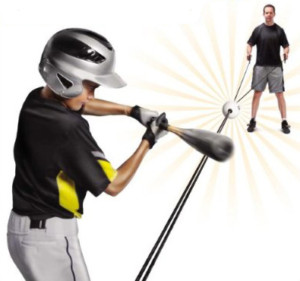
The ZipnHit PRO Youth Baseball Trainer is available at Baseball2u.com at a discount price.


Infield Drills For Softball and Baseball Players - Get the Outs Your Team Needs!
By Dennis McCurley

Some old expressions just get better with time. To be any good at almost any sport you must "keep your eye on the ball". This is especially true when it comes to playing an infield position on any softball or baseball team. To fully live up to this statement you must practice, practice, and practice some more.

Someone once said that practice makes prefect. I totally disagree. However, prefect practice will make one prefect. Playing any of the infield positions on a baseball diamond requires many skills and some talent. To improve at the skill level one must participate in the drills of practice.

The first drill that most coaches and players work on is simply ground balls. Here it is important for the fielder to ensure that he/she is in front of the ball as it approaches. In youth ball it is recommended that the player actually go down on his/her left knee for right handed, opposite for left handed, and field the ball. The reason for going down on one knee to make sure the glove is on the ground so the ball will go under the glove and into the outfield. It is easier for a young player to drop to one knee than it is to lower the butt to allow the glove to be on the ground.

After all players have fielded several ground balls now it is time to begin situational drills. No body is on base, the ball is hit on the ground to third, the third baseman scopes up the ball and throws to first. This drill is repeated until all infielders, including the catcher, fields several ground balls hit to his/her area and successfully throws to first.

Now then the situation changes. Here you have a runner on first so the intent is to make sure you prevent this runner from advancing to second. So, wherever the ball is hit the first throw is made to second base. If the ball is hit to the left side of the infield then the second baseman covers the bag. If the ball is hit to the right side of the infield then the shortstop covers second. After several of these situational plays have been made it is time to step it up just a bit.

Once again you have a runner on first with less than two outs. Now you will still be concerned with preventing the runner from advancing to second but also want to attempt to throw out the batter at first base. This is call a double- play and is very important in the games of baseball and even softball.

If the ball is hit to third base, the infielder fields the ball, he is to throw to second base which will be covered by the second baseman. Here it is very important for the third baseman to make sure he steps directly towards second. If his step is more towards left center then the ball will tail in that direction and pull the second baseman off of the bag therefore preventing the first out of the double-play. If his step is more towards right cent or even right field then the ball will tail in that direction causing the second baseman to be pulled into the base path and possibly causing a collision between the fielder and the runner. Even if the second baseman is able to apply the tag the umpire might rule runner interference and award the base to the runner. This is why it is imperative for the third baseman to work on his footwork so that he/she will be able to make a true throw to begin the double-play.

Assuming that the third baseman delivered the ball to the second baseman without pulling the player in any direction it is now time for the second part of the double-play. If the second baseman was at the bag when he/she caught the ball all that needs to be done is the bag needs to be touch by either shoe, a step backwards is taken, then step and throw to first. This is the ideal way in which to turn a double-play. If the second baseman receives the ball as he/she is approaching the bag then the base must be touched and since the forward progress will take the player towards third the fielder would then jump in the air, twist his/her body around in the direction of first base, and then attempt the throw. I am sure that you can easily see why being at the base before the throw is the best way to complete this type of double play.

Now then if the ball is hit to the shortstop a simple relay toss needs to be made to the second baseman. Here it is important to make sure that the shortstop does not throw the ball in the same manner as if he was throwing to first base. While a quick throw is important, throwing the ball too hard for such a short throw will probably end up with the ball being missed or dropped by the second baseman. Again it is best for the second baseman to be at the bag awaiting the throw so he/she can then pivot and make the throw to first.

If the ball is hit to second the fielder must set his/her feet to make a clean toss or throw to the shortstop so that the throw to first can be made quickly and accurately. If the second baseman fields the ball as he/she is headed towards second then a simple underhand should suffice. If the fielder is moving towards first then the fielder will have to set his/her feet to enable an accurate throw to second which normally will be a sidearm throw.

Now then, if the ball is hit to the first baseman he/she will need to make sure that the lead foot is inline towards second base so the shortstop can then relay the ball back to first. The same manner as the third baseman the footwork must be correct. Again if the lead foot is more towards left field the ball will tail in that direction and if the foot is more towards center field the ball will tail that way. After making the throw the first baseman must then turn and return to first so that the relay throw from the shortstop will have a chance of completing the double-play.

After these situations have been covered and fully explained it is now time to work on the pop-up. Here it is important for the fielder to position themselves under the pop fly. They should make the catch with both hands to assure that the ball will not be able to spin out of their glove. If games will be played during the day then each fielder will need to practice shielding the sun from their eyes by using their glove to block the sun. This is not as easy as it appears but with practice the skill is obtainable.

By working on these drills one can only hope that the learned skills will equate into the outs that are needed to be reached in every game. Remember, practice does not make one prefect;however, prefect practice does enable one to be prefect.

Article Source: http://EzineArticles.com/?expert=Dennis_McCurley

Article Source: http://EzineArticles.com/5999412

============

Thanks to Our Sponsor – Baseball2u.com
BatAction Youth Hitting Machine
BatAction 360
SKLZ Lightning Bolt Pitching Machine
SKLZ Light Bolt PRO Pitching Machine
Joe Mauer PX4 QuickSwing Baseball Trainer
Advanced Skills Tee by Muhl Tech
SKLZ 5 Position Batting Tee
ZipnHit Pro Baseball Swing Trainer
Jugs Small Ball Pitching Machine

Friday, August 13, 2010

Youth Baseball Drills: Throw with Crow Hop


Youth Baseball Drills: Throw with Crow Hop
playsportstv
PlaySportsTV http://www.playsportstv.com/trainingp... presents former major leaguer and current Princeton Univ. head coach Scott Bradley with a great youth baseball fielding and throwing drill. For over 80 more baseball drills and tips, developed specifically for 5- to 12-year-old players, visit PlaySportsTV.com.

============
Thanks to our sponsors:

XtenderBattingCages.com
Xtender Batting Cages For Home & Youth Baseball
Heater Combo Pitching Machine & Xtender Batting Cage Package
Heater Pitching Machines

Monday, June 14, 2010

There is More to Baseball Training Than Simply Youth Baseball Drills


BatAction Hitting Machine - The Backyard Basketball Goal for Baseball Players!

Youth Baseball Coaching Tips
By Joseph Harrison Jr

Many new coaches would like nothing more than to simply jump right in with both feet and begin having their team play the game without teaching them youth baseball drills. Of course, this can simply be the absolutely worse thing coach can do.

As a coach, it takes hard work and even harder work to come up with a practice game plan. Going in completely unprepared is basically setting both you and your team up for a big fall. First of all, there are numerous places that a coach can explore to find drills to teach their team. And, there are many different drills out there that a coach can employ too. Therefore, specific drills cannot be stressed enough. But, with younger children, especially concentrate on the three main areas which are namely hitting, catching, and base running.

When using or creating drills that pertain to hitting, certain aspects will need to be considered. Items such as the player's stance, their swing, and even what they do with their feet are all equally important and must be addressed.

Keep their stance as wide as their shoulders and this will be a good start. This will allow the younger player to be able to balance properly as well as comfortably. Show them not only how to hold the bat, but also explain why they need to hold the bat a certain way.

When exploring these aspects, there is a drill that can be quite useful. It is primarily a way for both you as well as the player to be able to understand their swing. Stand on the mound and pretend like you are pitching to the player in the batting box. Go through the wind up and the pitch. The player is then expected to pretend like they are hitting the ball. All the while, maintain and stress the importance of the player being aware of how they are actually swinging the bat. This ensures that the player will see where they will need improvement.

Running the bases can be the fun part of learning the game of baseball. And, it may even allow the player the chance to get dirty too.

Certain drills are able to teach the finer points of base running. One very good drill is to have all the players line up at home plate and subsequently run after the coach calls out the type of hit that was made. For example, by calling out a single, the base runner would be expected to stop at first base. While a double would have them running to second base and so on and so forth. This can open a door for explaining the importance of how the player should turn after getting past first base and can even include a sliding drill on the other bases.

Catching a little white ball is not as easy as it seems, especially for younger players. The youngest players are usually quite afraid of getting hit with the ball and they will have a tendency to avoid any throws. This problem can probably be solved by one single drill. Have the player stand a short distance from you and easily toss the ball back and forth. While tossing the ball, explain how to properly hold the glove and to always watch the ball. Before long, the young player will gain confidence and will eventually lose their fright of getting hit with the ball altogether. Basically, they will realize that they are actually able to catch it and they will certainly do so.

Many younger players are quite familiar with the art of playing baseball. But, by using youth baseball drills, this can only improve.

I am Joseph Harrison, a baseball coach since 20 years ago. I love baseball since I am young, especially the feeling when you know you will absolutely crush the ball. Training your kid to gain interest in baseball will benefit him from both mentally and physically. In with he will gain team spirit, learn how to cope with teammates, and at the same time train up his physical, and concentration (to have good eye and hand coordination and the ability to use both at once). Go through my article and you will know all the benefits of baseball.

Article Source: http://EzineArticles.com/?expert=Joseph_Harrison_Jr

============================

===Advertisement from our sponsor:=====

Baseball2u.com and CoachesBest.com is your online super store for baseball batting cages, pitching machines and protective screens and nets. This fully licensed company has a full time staff to help you from 8:00 to 5:00 CST. You may order securely online or by phone, toll free, at 1-877-431-4487.
Check out these categories that are featured at Baseball2u.com.
Jugs Complete Packages
Batting Cages
60' Portable Batting Cage
55' Portable Batting Cage
70' Portable Batting Cage
Extender Batting Cage 30'
Jugs Pitching Machines
Iron Mike Pitching Machines
BATA Pitching Machines
Heater Pitching Machines
Granada Pitching Machines
Phantom Pitching Machines
…and if you are looking for Youth Training Equipment, Advanced Baseball Training Equipment, Training Bats, and Pitching & Throwing Trainers, or Portable Mounds, they have those too!
Plus, they have one the internet's largest selections of Baseball Training and Coaching DVDs and Books. Make sure to chweck our their CLEARANCE DEPARTMENT for rock bottom prices on top quality equipment.
'''''''''''''''''''''''''''''''''''''''
Check us out on Twitter:

Blog4Coaches
Blogs4Coaches.com
'''''''''''''''''''''''''''''''''''''''

Wednesday, May 12, 2010

Youth Baseball Coaching Blog: Free Coaching Articles for Our readers


Good Wednesday Morning to you. Here are 4 articles that I recommend.
Have a great day. Nick

Coaching Baseball - Two True Base Running Blunders That Teach a Lesson

We all know the importance of good base running. We know that "solid" base running scores runs and wins games. We also know that poor base running can easily cause a team to lose a game. The following two stories are true stories of base running mistakes that cost the team a win. All the team had to do to win was to have the base runner advance to the next bag. These two stories are great stories that you can tell to your players to teach young players two important rules of base running.


Coaching Baseball - Strategies For Facing Overpowering Pitchers

Every one of us has at one time or another, either as a player or a coach, had to face what is considered the "unhittable" pitcher. You know what I mean, the pitcher that is undefeated because he has an overpowering fastball, nasty curve ball, and a 3 pitch arsenal of potent pitches that intimidates the average team while he is just warming up. Coach Dixon discusses is strategies that can used when your team faces a dominating and overpowering pitcher. The main strategy in this situation is that you must have a "strategy" that you and your kids believe will work. The trick is have several scenarios and plans that you will apply as the game progresses.


Youth Sports Coach - Watch What You Say

Volunteering to coach youth sports can be one of the most rewarding experiences in your life. It is a privilege to spend time teaching, coaching and mentoring youngsters in one of the most critical stages of their mental and physical development. Many kids do not have positive role models in their life. Many kids do not get the attention and the discipline that they need and desire. The main thing I want to discus today is the importance of thinking before you speak and the fact that your words greatly affect the self esteem of your players.


Coaching Baseball Pitchers - Two Windup Variations Used to Disrupt a Batter's Concentration

There are two simple actions that a pitcher can use to distract or disrupt a batters concentration. The two actions are the "double pump windup" and the "start over" pitch deliveries that are done to change a pitchers regular windup. Both of these actions are used when there are no base runners on base. They both serve as effective ways to disrupt the concentration of opposing batters.

Recommended Baseball Sites:
Baseball Coaching Digest
Baseball Coaching Digest - Today's Post
Baseball Coaching Digest: Daily Post Archive
New Articles for Coaches
Baseball Coaching Articles by Coach Nick Dixon
New Baseball Blogs
Videos for Baseball Coaches

YouthBaseballDigest.com
Homepage
Today's Youth Baseball Coaching Feature Article
Videos for Coaches
Blogs & Knols for Baseball Coaches, Players & Parents

BaseballParentGuide.com
Homepage
Baseball Parent Guide: Today's Post
Baseball Articles for Coaches
Baseball Blogs
Teaching Your Child to Hit
Throwing and Pitching Fundamentals
Buying Guide For Baseball Parents
Current Topics and Issues Related to Safety in Baseball

Also:
Check out our network of baseball blogs:

Blogger (Blogspot) - baseballcoachesdigest
Blogger (Blogspot) - baseballparentguide
Blogger (Blogspot) - baseballhomeworkhelp
Blogger (Blogspot) - batactionbaseballtraining
Blogger (Blogspot) - battingcagebuyingguide
Blogger (Blogspot) - coachesbest
Blogger (Blogspot) - teeballcoachingclinic
Blogger (Blogspot) - hurricanebaseballtrainingmachine
Blogger (Blogspot) - teeballparentsguide
Blogger (Blogspot) - youthbaseballcoachingclinic

Shop CoachesBest.com for your baseball coaching needs including baseball training aids, training videos, and other coaching supplies. Check out the Derek Jeter Hurricane Hitting machine by SKLZ at HurricaneTrainer.com.

See the “Original” Rotational Hitting Machine at BatAction.com. Are you looking for the perfect trainer to teach proper timing and swing mechanics? You can stop looking and go to BatAction.com.

Tuesday, May 11, 2010

Five Drills to Do When Hitters Pull Their Head


Five Drills to Do When Hitters Pull Their Head
By Jack Perconte

One of the most common hitting problems involves hitters taking their eye off the ball before making contact. Solving this problem is rarely as simple as just telling a hitter to "Keep your eye on the ball" or saying, "See the ball hit the bat." Usually, hitters pull their head and subsequently their eyes off the ball because of an incorrect hip turn or having a long arm swing, failing to use their hands and forearms.

Having said that, there are some good hitting drills that baseball coaches can have their players do that will help ballplayers keep their eye on the ball. Also, by controlling their head throughout the swing, it will help all the other hitting fundamentals, which is an added bonus of these drills.

Head Control Drills that will help hitters keep their eyes on the ball:

1. During batting practice, place an object to the opposite side of home plate from where the hitter stands and a few feet in front of home plate. This object (player's glove, pop can, etc...) should be in line with hitter's eyes at contact with the ball. The object of drill is to have batters keep their eyes on this object after contact is made and until the completion of their swing.

2. Along the same lines and when performing tee, flips or dropped ball drills have the coach, who is standing off to the side, flash a number down with his fingers immediately after contact. The hitter is required to read the number before looking for the hit ball.

3. Behind the hitter flips are great for keeping a hitters head in on the ball. The coach kneels a safe distance behind the hitter where the catcher usually is and the coach flips balls forward into the hitting zone. Hitters watch the ball being released from the coach's hand and swings when the ball reaches the hitting zone. With this ball coming from behind, it will force the hitter to keep their head and eyes on the ball.

4. Writing a decent size number on a few baseballs during batting practice and having hitters try to read the numbers when hitting is also a good drill. This can be extremely challenging, of course, but will make the point of how well hitter's need to watch the ball.

5. It is important to realize that balance comes from the hitter's head. Practicing hitting on a balance beam or similar balancing object, can greatly help hitters keep their eye on the ball, as well as helping all swing fundamentals.

Finally, a habit that I use to incorporate in major league baseball was to watch the ball all the way to the catcher's glove on pitches that I did not swing at. Baseball coaches should teach young hitters to do that also. It will help them keep their eye on the ball when they do swing as well, which is the obvious goal.

Former major league baseball player, Jack Perconte gives baseball hitting tips and batting practice advice for ballplayers of all ages. His baseball playing lessons, books and advice can be found at http://www.baseballhittinglessons.com/baseball
Jack is the author of two books, The Making of a Hitter and Raising an Athlete - his positive parenting advice and books can be found at http://positiveparentinginsports.com

Article Source: http://EzineArticles.com/?expert=Jack_Perconte

Hurricane Video


HurricaneMachine.com - Links

---15 Reasons To Buy a Hurricane Trainer
---6 Questions Often Asked By Customers
---Message to Parents From Coach Nick
---Hurricane Hitting Machine Drills
---20-Minute Hurricane Batting Practice Workout
---Hurricane Hitting Machine Video Demo Clips

Baseball2u.com has a one of the internet's largest selections of baseball coaching and training dvds.

Monday, May 10, 2010

Coaching Youth Baseball - 25 Common Baseball Terms and the Meaning of Each

Coaching Youth Baseball - 25 Common Baseball Terms and the Meaning of Each
By Nick Dixon

Coaching Little League or Youth Baseball requires a good knowledge of the game. Many good youth baseball coaches have never played the game before. They make it their mission to study and learn the game. This article presents a list of 25 common baseball coaching terms and gives the meaning of each.

There are certain terms and words that every youth baseball coach should know the meaning of. Here are a list of 25 and the meaning of each.

1. Ace -- Best pitcher on the team.
2. Alley -- The two areas of the outfield between the three separate fields; right, center and left fields. Also referred as a "gap."
3. Bang-bang play -- A play in which the base runner reaches about the same times as the ball.
4. Batter in the hole -- The batter after the on-deck hitter.
5. Batter on-deck hitter.-- The next batter in the inning.
6. Can of corn -- An easy fly ball catch made by an out fielder.
7. Caught looking -- When a batter is called out on a third called strike.
8. Cycle -- When a batter hits a single, double, triple and home run in the same game.
9. Dish -- Home plate.
10. Fungo - To hit balls to a defensive player during practice or during the game warmup.
11. Fungo bat - A bat used by the coach to hit balls to defensive players during practice or pregame warm-up.
12. Gap - The two areas of the outfield between the three separate fields; right, center and left fields. Also referred as an "alley."
13. Gapper - A ball hit into one of the two gaps or alleys.
14. Heat -- A good fastball. Also "heater."
15. Hot corner -- Third base.
16. Painting the black -- When a pitch is thrown on the edge of the plate.
17. Pepper -- A game or batting practice exercise where one player bunts brisk grounders and line drives to fielders who are standing in a row about 15 to 20 feet away.
Punch out - The plate umpire uses this motion to call a batter out on a strikeout.
18. RBI - Run Batted In.
19. Ribbie -- Another way of saying RBI.
20. Rubber game -- The deciding game of a 3, 5 or 7 game series.
21. Run-down -- When a base runner gets caught between bases by the fielders.
22. Seeing-eye single -- A weakly hit soft ground ball that finds its way between infielders for a base hit.
23. Southpaw -- A left-handed pitcher.
24. Texas Leaguer -- A weakly hit fly ball that drops between an infielder and outfielder.
25. Utility player -- A player who fills in at many positions.

I hope that this article help you prepare to coach youth baseball. Visit the Baseball Coaching Digest Blog for daily posts and articles on every aspect of coaching baseball.

The Baseball Coaching Digest Blog has a great selection of of baseball coaching articles.

Check out the Bat Action Hitting Machine baseball pitching simulator. This high speed training machine is 100% Guaranteed to raise Batting Averages and has a full year warranty.

Article Source: http://EzineArticles.com/?expert=Nick_Dixon

Friday, April 16, 2010

Field A Ground Ball - How To Field A Ground Ball In Youth Baseball

Field A Ground Ball - How To Field A Ground Ball In Youth Baseball
By Brian McClure

Fielding a ground ball hit to you

Hands down facing the batter, knees bent so the glove gets down (butt down..gets the hands down and provides good balance). This is perfect if the ball is right to you. But what if the ball is not hit to you? You have to move your feet!

Get in front of the ball, and you have to move your feet quickly to do that.

As coaches we want our players to be in front of the ball because if there is not a clean catch the body still gives protection of keeping the ball from escaping the infield. I like to emphasize in boys youth baseball to use their eyes also. You cant catch what you cant see. If you move your feet to get in front of the ball have your glove in front where you can see the ball come into the glove, the youth player has a better chance of a good catch and making the play.

Fielding a ground ball to the right or left

There are two methods two catch this ball. One is the Shuffle step. This is used when the ball is hit just a little to either side and you can quickly get to the ball still in ready position. If the ball is hit to the left you shuffle step with left foot and the right foot moves quickly after to stay in the ready position.It's the opposite if the ball is hit to the right. 2 or 3 quick shuffle steps can be done by any youth baseball player in the ready position to field a close ground ball.

The second method is the Crossover. When the ball is a little farther away to the left..to move quickly to the ball the right foot will crossover in front of and past the left foot. The opposite is done for a ball hit to the right. Left over Right or Right over left is used when you need to get to the ball quickly and is far enough away you cant shuffle to it. A key point in doing the crossover is not to stand up. A good youth baseball tip is to remain bent at the waist during the crossover to keep from wasting time.

Author- Brian McClure

http://www.coaching-youth-baseball.com/

Parents and Coaches - Get Free Youth Baseball Drills and Tips Here!

See our complete list of Topics and articles on youth baseball here; http://www.coaching-youth-baseball.com/topics.html

Article Source: http://EzineArticles.com/?expert=Brian_McClure

Tuesday, April 13, 2010

Baseball Drills for Youth Teams


Joe Mauer Quick Swing Baseball Trainer
Baseball Drills for Youth Teams
By Kenny Buford

Baseball is a game of skill and power that is unlike any other game today. Baseball has subtly to it that is often lost in other team sports such as basketball and football. So when people come together to play this game they need to be ready for any eventuality no matter how unlikely it maybe. That is why baseball drills are so important. Practicing these different scenarios keeps players from being unprepared for what may happen during a game which is very important. Here are a few drills that teach players both the fundamentals and some of the more important drills that can help teams with their weaknesses.

A good drill for all around practice is ironically called the "All Around" drill. This is an excellent baseball drill to teach kids to stop the ball and how to throw in and out of field. It starts with lining up players in groups of three to four at first base, right field, and third base. Each group has a different job, the first base players try to run from first base to third without being tagged and then must slide into third base. As the player runs a coach throws a ball to the right field players. This gives them an opportunity to practice stopping the ball. Then the right fielder throws the ball low to the third base players. The third base players then need to and tag the player that ran. It's a slightly complicated drill but a good one for those that want to make sure that players are familiar with the basics of field play.

Another good drill is called "The Fence" drill. This is another excellent baseball hitting drill. This drill calls for a player to be standing behind some sort of solid wall; it can be made of chain link, cement, or even brink. The important thing is that the player can tell the difference between when they have touched the wall and when they have not. Have the player make their normal stance and stand about a 1-1 ½ feet in front of the wall. Then have the player practice their hitting style, if they continually hit the wall that means that they must tighten their stance. This will in turn help them with a quicker bat swing. Just remind your players that this drill is not about power but precision that way they won't hurt themselves or the bat when they swing to far back and hit the wall.

Finally, a good creative drill to keep players practicing at home has many names but one can either be called rooftop ball or error depending on what players have heard it called. This is a simple drill that does a good job of practicing both fielding, throwing, and stopping the ball. At home, a player throws a ball down their slanted roof and tries to catch it after it rolls down. There is more than a slight chance of a "gutter ball" but it still does a great job of helping players at home practice in a creative way.

These different baseball drills will help players become much better rounded and in turn that will lead to better games. Baseball is a subtle art but much like an artist if a player has experience behind them it is more likely that they will be successful.

Kenny Buford is a baseball coach with over 20 years of experience. You can find more of his baseball drills on his blog:

http://www.baseball-tutorials.com/

Article Source: http://EzineArticles.com/?expert=Kenny_Buford

======================
Recommended Baseball Sites:
Baseball Coaching Digest
Baseball Coaching Digest - Today's Post
Baseball Coaching Digest: Daily Post Archive
New Articles for Coaches
Baseball Coaching Articles by Coach Nick Dixon
New Baseball Blogs
Videos for Baseball Coaches

YouthBaseballDigest.com
Homepage
Today's Youth Baseball Coaching Feature Article
Videos for Coaches
Blogs & Knols for Baseball Coaches, Players & Parents

BaseballParentGuide.com
Homepage
Baseball Parent Guide: Today's Post
Baseball Articles for Coaches
Baseball Blogs
Teaching Your Child to Hit
Throwing and Pitching Fundamentals
Buying Guide For Baseball Parents
Current Topics and Issues Related to Safety in Baseball

Also:
Check out our network of baseball blogs:

Blogger (Blogspot) - baseballcoachesdigest
Blogger (Blogspot) - baseballparentguide
Blogger (Blogspot) - baseballhomeworkhelp
Blogger (Blogspot) - batactionbaseballtraining
Blogger (Blogspot) - battingcagebuyingguide
Blogger (Blogspot) - coachesbest
Blogger (Blogspot) - teeballcoachingclinic
Blogger (Blogspot) - hurricanebaseballtrainingmachine
Blogger (Blogspot) - teeballparentsguide
Blogger (Blogspot) - youthbaseballcoachingclinic

Shop CoachesBest.com for your baseball coaching needs including baseball training aids, training videos, and other coaching supplies. Check out the Derek Jeter Hurricane Hitting machine by SKLZ at HurricaneTrainer.com.

See the “Original” Rotational Hitting Machine at BatAction.com. Are you looking for the perfect trainer to teach proper timing and swing mechanics? You can stop looking and go to BatAction.com.

Monday, April 5, 2010

The Trademark Up Myth

The Trademark Up Myth
By Fred Bonds

Today's hitters are plagued with the problem of wood bat breakage. Nowhere is this more apparent than the recent maple bat dilemma in the Major Leagues. Dangerous fragmentation of maple bats that has resulted in serious injuries has brought to light the hazards created when no attention is given to proper instruction of hitters regarding edge-grain orientation at the point of contact. Most wood bat breakage issues can be resolved by properly orienting the logo (or trademark) so as to place the edge grain parallel to the flight of the baseball at the point of contact. This is the position that yields the lowest breakage and the highest hitting power.

The traditional saying "logo face up", has its origins in the early years of baseball when hitters used a different style of hitting. Hitters like Gehrig, Dimaggio, and others swung the bat more linear and transferred more weight to the front foot. This forward momentum kept their upper body level and thus the bat barrel did not rotate. Today's hitters use a rotational method of swinging a bat. More weight is placed on the back leg with the hitter rotating the torso. This causes the shoulders to dip toward the ball and creates rotation of the bat barrel. The result is today's hitters tend to hit with the flat grain of the bat more often and this results in breakage and loss of power.

To cut down on breakage, hold the bat in front of you with the logo up (or facing you). Then rotate the logo towards your lead shoulder (shoulder closest to the pitcher). The more you hit off your back foot, the more you should rotate the bat toward the lead shoulder. The maximum angle should be 45 degrees. You may want to place a mark on the bat once you get the ideal alignment. This should put your bat in the proper hitting position with the edge grain aligned perfectly to hit the ball. This proper alignment not only will decrease breakage dramatically, but will also increase hitting power due to the restriction of the flexion of the bat.

Other things you can do to reduce breakage include:

• Use a heavier bat. A -3 metal swinger does not equate to a -3 wood swinger. The metal bat has higher strength than wood at low weights. -3 wood bats break more often than -2 wood bats. Remember, there is no such thing as -3 trees. To get lower weights you have to sacrifice density and that decreases strength. Ideally, you should hit with a wood bat weighing the same as the length. A 33" bat should weight 33oz. The difference between an even weight bat and a -3 is less than a hamburger patty so man up and move up in weight for better performance.

• You can also increase the handle diameter. Most wood bat companies offer handles below 1" in diameter which means the bat will break very easily. Old school handles were often greater than 1" which made the bats slightly heavier but reduced breakage. Also, a larger diameter handle means less flexion and that equates to greater power.

Lastly, pitchers with good fastball movement can saw you off on the inside and there is not much you can do about it. But, a majority of bats that break did so when hitting the outside pitch and in particular, off-speed. The ball doesn't need to be thrown hard to break a bat. Hitting off the last 2" of the barrel causes the bat to flex backwards excessively and will fracture the bat at a point close to the hands and the break will be formed at the leading edge of the bat. This is opposite that of a bat broken by an inside fastball that breaks on the trailing edge. An inside fastball hits the handle and stops the momentum of the handle. The barrel, having more mass, continues forward and causes a U-shaped bowing of the bat forward. This causes the bat to break at the hands on the trailing edge.

The key to hitting the outside pitch is to hit it off the back of the plate. This will allow the barrel to hit the ball solid and drive the ball hard to the opposite field. Not timing the outside pitch properly causes poorly hit balls off the end of the bat, weak squiblers, broken bats, shame, ridicule, losing, you get the picture. Practice hitting for power to the opposite field. It can only be done by hitting off the back of the plate. You should never begin hitting practice with inside pitches you can pull. Always have the BP thrower start you with outside pitches and work the pitches inward.

Recently, the MLB passed a series of wood bat guidelines. In these guidelines was the requirement to place logos on the "face of the grain" instead of edgegrain. This would decrease breakage and by their own admission, decrease performance. Oddly enough, this method works for breakage because now instead of the players rotating the face side of the grain toward the baseball, they now rotate the edgegrain toward it. Unless of course, the hitters know the facegrain orientation causes decreased performance and do not put the logo side up but place the logo facing the pitcher or catcher. We have observed this to be the case.

The corrective technique mentioned in this article could have accomplished the same result without the widespread chaos and large amount of expenses incurred by bat companies to comply with the MLB rulings.

Remember, good technique and focus reduces bat breakage and increases performance.

Fred Bonds is the Director of Research for Area51Sports, an innovative new wood baseball bat company, http://www.area51bats.com. He was director of the Central Michigan Sports Center, director of the BPR Nationals HS Prospect team, and a former associate scout for the Cincinnati Reds and Global Scouting Bureau. For more info on wood baseball bats or to contact Fred, go to http://www.area51bats.com.

Article Source: http://EzineArticles.com/?expert=Fred_Bonds

Wednesday, March 31, 2010

Baseball & Softball Swing - Confidence Vs Mechanics


By Todd Thomas

I was at a high school level ball game recently. Of the two teams playing, one was filled with a group of very cocky players. They were cocky and CONFIDENT. What's interesting is that the players on this team had some of the worst baseball swings I have ever seen in my life. But they were confident as all get out.

It's an interesting phenomenon to observe that a player can have horrible mechanics but have supreme confidence(cockiness is a good word to describe here) and still be able to hit the baseball successfully. Alex Rodriquez successfully? NO! No, as I watched the game none of these players really scorched the baseball but they did swing confidently at it and put the ball in play often finding holes and blooping hits all the way to a 14 to 2 win.

These players' potential to play at higher levels is limited with bad mechanics. Ultimately, they will reach an end to their success(and subsequently their confidence) as they move to higher and higher levels of baseball. These were high school players. Obviously, they are going to have some success at the high school level. Reaching the collegiate level is probably out for most of them because of their technique, but one or two of them may reach that level. Then that's probably it. I once had a collegiate player over for some training and his mechanics were awful, but he was playing Division I baseball. Why? More than likely he was extremely confident up until this point but now was crashing and burning at the collegiate level. He also had a load of natural ability that had carried him this far too. However, he had reached his peak and I remember telling him that if he has sights on playing professionally he needed to change what he was doing mechanically. And he did have the desire to play pro ball.

However, even if a player works on and gets mechanically sound, I believe that any player(no matter what age) will struggle if they don't learn how to be confident. If they are not confident and their new mechanics aren't "working" for them, then they will blame the mechanics or the teacher or both and will keep searching for that "perfect" way to swing to insure success. When what they really need is confidence training in order to raise the game and to be successful.

So is learning the proper mechanics the "answer" to being a good hitter? I teach the mechanics of the best players in the game and I am supremely confident in what I teach. Let's say however that I took a player from the team of confident hitters with bad mechanics and we started working on fixing his mechanics. IF he is able to sustain his confidence, look out. He should excel in a big way.

What if though(and this probably goes higher the younger the player is) the player starts "thinking too much" about executing the proper swing mechanics? What if he starts over-analyzing his swing and trying to hard to make things happen with his new swing? Questions and doubt may start building within him after a bad(weak) hit or a strike out. He then starts asking himself, "Am I doing it right?" "Am I performing my mechanics correctly?" If the results are not there, then the player will assume that he is not swinging "correctly" and there begins the process of over-thinking, over-analyzing, and confidence shrinking. And I believe the downward spiral of his hitting results and confidence will continue to fall.

What's interesting as I think about the team of cocky confident hitters is that I don't think they realize that they suck. Their mechanics that is. They seem to have no idea how "bad" they are and they play as if not to care. They are just confident. On the contrary, they are pretty good because they THINK they are in spite of what they don't know.

So which is more important? Confidence or mechanics? It seems from my observations that confidence with bad mechanics can still have a degree (albeit limited) of success. YET, good mechanics with zero confidence and playing scared seems to have no chance to succeed.

Hmmm?

Todd Thomas is a Baseball Coach and Professional Hitting Instructor for Mike Epstein Hitting. Coach Todd's personal hitting website is http://www.HitItHere.net. Coach Todd also enthusiastically endorses http://PlayMyBestBaseball.com as a place where baseball and softball hitters can master the Confidence, Composure, Focus and Consistency of their game so they can reach their full potential.

Article Source: http://EzineArticles.com/?expert=Todd_Thomas

Check out the Hurricane Hitting Machine: Derek Jeter Series:
Hurricane Hitting Machine - Homepage
15 Reasons To Buy a Hurricane Trainer
6 Questions Often Asked By Customers
Message to Parents From Coach Nick
Examples of Hurricane Hitting Drills
The Highly Acclaimed 20-Minute Hurricane Batting Practice Workout
Hurricane Batting Machine Video Clips

Derek Jeter Hurricane Hitting Machine

Monday, March 22, 2010

Little League Digest - The KISS Rule of Teaching Youth Baseball Players a Proper Swing


SKLZ 5-Position Batting Tee - Just $29.95 + S&H
Buy Now at CoachesBest.com

Little League Digest - The KISS Rule of Teaching Youth Baseball Players a Proper Swing
By Nick Dixon

Coaching baseball is not rocket science. I believe in the KISS rule of coaching young baseball batters. The KISS or "Keep it Super Simple" rule means that the coach will present the batting instruction in a way that it is easy for young baseball players to understand, visualize and perform. This article explains the 6 simple steps in teaching youth baseball batters using the "KISS" method.

The KISS method of coaching little league batters can be broken down into 5 easy steps:

Step 1 - GRIP & HANDS - The knocking knuckles must be aligned. This grip places the handle in the fingers and away from the palm. A proper grip increase hands speed and power.

Step 2 - STANCE - The feet should be shoulder width part with the insteps of the feet aligned under each arm pit. The toes should point straight toward the plate.

Step 3 - STRIDE - The stride is the step or weight transfer achieved during the swing. The stride may be a simple motion such as simply easing the weight off the front foot and restoring it. The front foot can move but does not have to. The less movement of the front foot forward is better. However, a wide stance is necessary to give the hitter a good lower body foundation and strength.

Step 4 - SEE TARGET - The batter should concentrate on the ball. He should try to see it come out of the pitcher's hand and track it with his eyes as it approaches the plate. The batter will watch the ball all the way to the bat or the catcher's mitt. The batter should keep the head down and the eyes on the ball. The batter should concentrate on hitting the top half of the baseball. Hitting the top half will insure that a fly ball will not be hit. The batter should try to hit a ground ball or a line drive.

Step 5 - SWING - The swing should be level and quick. A short quick motion taking the bat directly to the ball is desirable. A long sweeping motion or upper cut swing is not desirable. A wood chopping swing is not acceptable.

Step 6 - FINISH - The younger batter should finish the swing with two hands. The batter should concentrate on keeping the head down through the finish. Prematurely pulling or jerking the head up to see where the ball is hit, is a batting flaw that should be eliminated immediately.

Thanks for taking the time to read this article. Good luck this season! Have a great day, Nick.

The CoachesBest Baseball Store has a great selection of 1400 Baseball Products. Check out the BatAction Hitting Machine baseball pitching simulator. This high speed training machine is 100% Guaranteed to raise Batting Averages and has a full year warranty.

Nick Dixon is the President and founder of Nedco Sports, a sports training company established in 1999. Dixon is also an active and full time high school baseball coach with over 25 years experience. Coach Dixon is better known as the inventor of the BatAction Hitting Machine, the SKLZ Derek Jeter Hurricane Hitting Machine, the SKLZ Target Trainer, the SKLZ Derek Jeter ZipnHit Pro, and the SKLZ Strikeback Trainer. Dixon is also a contributing writer for BaseballCoachingDigest, the Youth Baseball Digest, the Baseball Parent Guide, the Baseball 2Day Coaches Journal, and Blog4Coaches.

Article Source: http://EzineArticles.com/?expert=Nick_Dixon

===Advertisement from our sponsor:=====

Baseball2u.com/CoachesBest.com is the ultimate online baseball training and coaching store. With over 1400 products organized into categories Baseball2u.com makes finding that baseball training product easy and simple. Order securely online or by phone. Baseball2u.com is a fully licensed company and has a full time staff available from 8:00 to 5:00 CST. Their toll free customer service number is 1-877-431-4487.

The Categories they have are: Baseball Training Equipment, Youth Baseball Training Equipment, Training Bats, Pitching & Throwing Trainers, Defensive Trainers, Batting Cages, Pitching Machines, Jugs Equipment, Game and Practice Baseballs, Protective Practice Screens and Nets, Portable Pitching Mounds, Baseball DVDs & Books, Clearance Items on Sales, BatAction Hitting Machines, Hurricane Hitting Machines, NEDCO Bataction Replacement Parts, SKLZ Hurricane Replacement Parts and Much Much More! Visit Baseball2U.com today!
LittleLeagueDigest.com
YouthBaseballDigest.com
BaseballCoachingDigest.com
BaseballParentGuide.com
AmericanBaseballDirectory.com
LittleLeagueLinks.com

Monday, March 1, 2010

Top 5 Baseball Drills to Improve Your Baseball Game .


www.QuickSwingTrainer.com

Article Title: Top 5 Baseball Drills to Improve Your Baseball Game
By Kendra L Fagan

Open professional baseball tryouts are designed to help scouts determine the physical talents and abilities of aspiring baseball players.

Though many of the drills that young MLB hopefuls are put through might seem random. This is because different drills are put to people to test their skills level. While one person trying out might have a killer pitch and he knows it, a scout might want to see what the person's skill level is with other types of baseball maneuvers.

Scouts look for speed, arm strength, glove skills, and hitting skills and overall mechanics. The tryouts are grueling and not like any version of American Idol you've seen. There is no "nice" judge. Instead, baseball scouts simply call out the names of those they like. The rest of the players go home, and many of theme eventually give up on their dream.

But not unlike any talent-based industry, hearing "no" is just part of the game. It is up to you and your trainers to make sure you are getting all the necessary drills and skill-building exercise to take you to your goal of becoming a professional baseball player.

I have compiled some of the best drills for cross-skill development that will give you a leg up in the competition and hopefully win you the interest of a baseball scout.

AROUND THE WORLD DRILL

The "Around the World" drill is a great conditioning exercise that will help any baseball player develop physically.

Here's how it works.

Take the players to the foul pole in left or right field. Then time them from foul pole to foul pole to get a good accurate base time. Then have a set time that they should complete each of the laps. Some choose seven laps, some others. The number should be based on the number of innings one would play professionally. A good hint is that coaches should remember to adhere to is to not let a lap count if it is under time. This will help the player push himself to get it right. There is no "almosts" in pro baseball.

DIVE BACKS

Besides basic conditioning, this drill helps to build the players speed and quickness back to the bag. Also, it is helpful to work on quickly leaving the bag as well as helping the players to recognize how big of a turn they can make around a bag to make sure that they get back in case of a throw. Here's how a good Dive Backs drill is set up.

The players start out at Home Plate and run around first base, making an aggressive turn, and then dive back into the bag. After diving back they get up as fast as they can and head to second base to do the same thing. They do this also at third then slide feet first into home plate to end their round.

A good way to prove the get back theory is to have an outfielder and a second basemen trying to get a player out every couple of times through. This exercise works wonders for agility and speed skills which is an absolute necessity to play in the major leagues.

THE GLOVE BASEBALL DRILL

Conditioning is a grueling task, so some fun elements need to be used as well. A good fun conditioning drill is great because you can make them the hardest and the fun elements makes it not so bad.

The glove drills starts off with separating players in groups of 4 or 5. (If you are just with yourself and your coach, find a friend or two to help.) Line the people up and put their gloves in the outfield at about 25 foot intervals apart, away from them. They start the drill with a ball in their hand and run to the first glove and set the ball on it and come back to the line and go back and get the ball and come back to the line and go to the second glove and set the ball down and go back to the line and so on and so forth, until all the players have gone through and the winners get out of laps at the end of the practice.

SPEED QUICKNESS AND POWER

In any good baseball training program, player development is a primary concern. As players get older they also raise their level of function in the game. One of the areas to try to improve is the physical or talent area. If you are at all seriously about playing professionally you must first be in the talent pool of players. If you can't do the physical levels, no one will look at the skill or playing abilities.

A well rounded pre-season conditioning program starts when the players get back from Christmas break. Work should be focused on 3 areas essential to playing baseball at a professionally competitive level - speed, quickness, and power.

The first day should be spent testing the components of each skills set that are vital to an overall skill matching assessment. Test items can include:

· 40 yard sprint
· 10 yard sprint
· Standing 2 footed vertical jump
· 30 second dips
· 30 second sit-ups
· Home to 1b
· Bench press
· Dot jumps
· Diamond push ups

After the testing is done, you should have a good two months dedicated to a program that incorporates exercises, running, and strength training. Once this part is done, practice the test points listed above again. This will help you accurately measure your progress and where to improve.

THE 60 YARD DASH DRILL

This is used to determine sheer sprint speed, and it is chosen to determine the athlete's ability to run from the length of two bases. If you decide to incorporate this for your child, do so sparingly and make sure that your child is warmed up. Also reduce the length from 60 yards to only twice the distance from home to first. Of course, make sure that your child is medically approved to do sprinting. Keep the number of such dashes very low and GRADUALLY build up over time.

Here is a good pointer:

When asked to hit, scouts do not look at the end result of whether the ball was a hit, home run, foul ball, etc. Instead, they look at mechanics in order to determine if there is a "loop" in a batter's swing, weight transfer, and the batter's overall approach to the plate appearance. If you are able to introduce your child to one of the scouts during a break at the tryout, ask the scout to give you a minute to understand what he likes to see in his ideal batter. You may learn quite a bit.

Baseball Pros Store has excellent online deals on baseball equipment, strength training books, and off-season training guides to help you get into the major leagues in no time! BaseballProsStore.com baseball shop is your one stop shop for baseball bats, gloves, and training equipment. Plus items are updated everyday so you don't have to waste time driving from sports store to sports store. Begin your dream of playing professional baseball and visit http://www.BaseballProsStore.com today!

Article Source: http://EzineArticles.com/?expert=Kendra_L_Fagan

Sponsor Links:


www.QuickSwingTrainer.com

Thursday, February 4, 2010

Youth Baseball Drills - Teaching the Relay Process


Baseball2u.com - Over 1400 Products & Growing!

You've all seen the scenario dozens of times. A ball is hit into the outfield with a runner on first base. The outfielder picks the ball up and tries to get the base runner at third base. The ball sails over the heads of the infielders and on to third base. The ball bounces past the third baseman and the runner continues around third and scores a run while sliding into home. Meanwhile the batter who hit the ball has moved himself over to third base! The cause of this mess? Lack of proper baseball instruction and understanding.

Usually this occurs at the younger level of baseball where youth baseball drills specifically relating to the usage of a relay man are not practiced enough. Here are some quick pointers to help alleviate the pain and frustration associated with missed relay guys and rogue base runners.

1. Infielders Take Control

Baseball has no place for shy or timid infielders. If infielders do not take control of the scenario with a base hit to the outfield, potential of disaster increases greatly. During baseball drills, coaches need to focus on training the infielders (specifically the SS and 2B) by directing the play. Using verbal cues like "hit me hit me" or "relay relay" by infielders will improve outfielders awareness for where to throw the ball.

2. Correct Positioning is Key

With a ball hit to the left side of the diamond into the outfield and a play at 2B or 3B, the SS becomes the relay man and needs to place himself in a straight line between the outfielder and the base where the throw will go. If there is a ball hit to the right side of the diamond into the outfield with a play at 2B or 3B, the 2B becomes the relay man. This cannot be worked on enough during youth baseball drills as middle infielders must perform this flawlessly.

The bottom line is then practice during baseball drills and consistency. All ages can be taught to understand the proper relay process. Therefore, poor performance cannot be blamed solely on the age of the athlete.

Nate Barnett is owner of BMI Baseball designed to improve the mental game of baseball in athletes. Come download a free ebook on dealing with failure in baseball.

Article Source: http://EzineArticles.com/?expert=Nate_Barnett

Sponsor Links:

Shop CoachesBest.com for your baseball coaching needs including baseball training aids, training videos, and other coaching supplies. Check out the Derek Jeter Hurricane Hitting machine by SKLZ at HurricaneTrainer.com.

See the “Original” Rotational Hitting Machine at BatAction.com. Are you looking for the perfect trainer to teach proper timing and swing mechanics? You can stop looking and go to HandsBackHitter.com.

Players develop incredible bat speed and confidence when they regularly use the Quick Swing Trainer. See it at QuickSwingTrainer.com. See the world’s most advanced batting tee at AdvancedSkillsTee.com.

Are you looking for a great batting cage at discount prices? Are you considering building your own backyard batting cage and training center? If so, you should visit BattingCagesDirect.com now!
Blogs for Baseball Coaches Links:
BLogs4Coaches Twitter
Blogs4Coaches.com

Thursday, November 12, 2009

Free Youth Baseball Drills

By Kenny Buford

Defensive Drills that Don’t Bore

One of the hardest things when selecting baseball drills for youth is coming up with drills that build muscle memory but don’t bore the players so much they lose interest in the action altogether. This task is especially arduous when selecting defensive drills, since good defense is all about being prepared for whatever comes your way, and the only way to learn that is by playing out the various game-time situations. The following free youth baseball drills aim to keep players so engaged and interested they forget they’re building defensive skills.

Catching the Notorious Pop Fly

One of the most important defensive skills is how to catch a pop fly. To prepare your team for these high, straightforward catches, try this drill. Give each player on the team a ball and have them line-up one behind the other. Player one runs towards the coach, tossing the ball when close enough. The player then runs long, starting around 50 feet, while the coach lobs the ball high up into the air.

Players then turn around, spot the pop fly and catch it. To up the competitiveness of the drill, players who fail to catch the ball are assigned a letter in a predetermined word, such as HORSE. Once a player gets all the letters, they are out. While players are running to catch the ball, remind them to stay on the balls of their feet, since it will keep their strides shuffling and quick.

Mastering the Unpredictable Grounder

The next of the free youth baseball drills is perfect for teaching players to properly field the often wildly unpredictable grounders that inevitably will come their way come game time. To set up the drill, set up your fielders in a row. To cut down on wait time, set up a number of different stations with a coach or assistant managing each station.

The coach hits five ground balls in a row to the first player in the line who fields each grounder and throws it back towards the coach. After fielding the five balls, the player returns to the back of the line. In this drill, the most important thing to remember is staying low when fielding the balls. Make sure players are standing with their feet slightly wider than their shoulders, and constantly keeping their eye on the ball.

When looking for free youth baseball drills for defense, sometimes you want a drill that players can perform on their own without much help so you can concentrate on watching each player and correcting them when you see errors. This drill is perfect for that, since players are set up facing a wall, which basically provides its own grounders.

Line up players facing a wall or fence. Players should be at least 15 feet apart and approximately 20 feet away from the wall. Give each player a ball and at the sound of your whistle, players begin throwing the ball towards the ball low enough to get a grounder back. Have players count the number of grounders that are able to successfully field in a row without having one slip past or between their legs in a one-minute time span. Encourage players to beat their personal bests, and if they are excelling at 20 feet try moving them further back from the fence.

About The Author

Kenny Buford has coached nearly every level of baseball in a career that spans several decades. You can get instant access to his championship baseball practice plans and more youth baseball drills by visiting his website:

http://www.Baseball-Practice-Plans.com/

For a limited time, all coaches who visit Kenny's site will also get a free copy of his special report: "The 7 Biggest Mistakes Baseball Coaches Make". Go get your free copy today!

Article Source: http://EzineArticles.com/?expert=Kenny_Buford

b>BatAction Hitting Machine by Nedco Sports
The "Original Hitting Machine"

100% Guaranteed to Improve Your Hitting...or
You Get Your Money Back"

BatAction.com

To order the BatAction Machine...Click here.

Buy the BatAction Hitting Machine on Ebay...Click Here.