Youth Baseball Coaching Clinic Official Blog

Welcome to the official blog of the Youth Baseball Coaching Clinic. Our blog features free youth baseball articles and daily posts on every aspect of coaching youth baseball including youth baseball practice organization, youth baseball practice drills for youth baseball, youth baseball coaching tips and baseball strategy for coaching kids. Make sure to save this site to your favorites. You will want to visit our site regularly because we update daily. Good Luck to You and Your Team!


Showing posts with label baseball practice. Show all posts

Wednesday, October 5, 2011

Why Youth Baseball Players Should Get Hitting Instruction

Why Youth Baseball Players Should Get Hitting Instruction
By guest author: Chip Lemin

Happy Spring training to all coaches!

I never gave professional hitting instruction for youth baseball players much thought until my child started playing travel baseball. I then noticed that many teams did indeed use paid instructors to help players learn proper fundamentals. After I attended my first lesson, I realized what I thought I knew didn't amount to much in the big picture.I was giving instruction such as, keep your elbow up,and keep your eye on the ball.I don't think too many kids go up to the plate with their eyes closed. I was completely underwhelmed by my knowledge of hitting instruction.

I remember the instructor talked about the grip first. I didn't know about lining up the middle knuckles on each hand when the bat is gripped. He showed us(me included) how these knuckles will end up in this position as the player swings anyway.It was explained that the bat doesn't have to be held in a death grip.The bat should be held as loosely as the batter can tolerate.This helps keep the hands flexible during the swing. He also showed us how to choose the right length and weight of bat for each player. He discussed what a "long swing" was,and how it hurt the player's bat speed.

The instructor took the players through a couple fun drills to show us what he meant. The players have not even taken a swing at a pitch yet,and I had learned a lot. Some players will not like a different approach to hitting. They are comfortable with their current swing. A good instructor will not blow up a kid's swing in the first lesson. They will a take a small part of the swing,and modify it. Then at the next lesson, something else is introduced to help the hitter.Many players are doing a lot right in their swings to begin with. A smart instructor will take care not to overload, or completely change a player's swing right away. A good instructor should give fun "homework" in the form of drills to help the players develop their swings. This gives you the "coach" something concrete to work with. Be sure to take notes so you can use this great information at practice. This will help you to provide variety at practice. Bored players are much harder to motivate.

So don't hesitate to get professional instruction for your players. Most qualified hitting instructors will charge anywhere from 30-75 dollars per hour. It is worth the money when the players and the coaches use the information during practice.It also takes more than one lesson the make a difference. Plan on a series of lessons with no more than one week in between sessions. The less time off the better to enhance muscle memory. So ask around, or get out the phone book, and get some quotes. Then actually go watch some lessons in person. Don't be afraid to interview the instructor to see if you like their style.Do some homework like any other investment to get the best return on your team's hard earned money. Your coaching ability will grow as you learn more about hitting. You don't have to "know it all" ahead of time. Go soak up all the knowledge you can with professional hitting instruction for youth baseball players.

Thanks

Coach Chip

Chip Lemin has been a promoter of youth baseball since they started using aluminum bats. That's a long time. I have witnessed many good people get into coaching without solid coaching skills and it is not fun for them or the kids.Today's newer coaches are also being shortchanged on sportsmanship, like there is none. Visit my site to sign up for a insightful, informational, free coaching e-course at http://www.baseballecourse.com

Article Source: http://EzineArticles.com/?expert=Chip_Lemin

===========================
Thanks to our sponsors:

Check us out on Twitter:

Blog4Coaches
Blogs4Coaches.com

Tuesday, September 20, 2011

Common Sense Coaching, Teaching Hitting To Little League Baseball Players

Common Sense Coaching, Teaching Hitting To Little League Baseball Players
By guest author: Marty Schupak

One thing I learned in my 21 years coaching youth baseball is that there is no perfect way to coach hitters. I never considered myself an expert at teaching young 7-12 year old ballplayers the most refined hitting techniques. The most success I've had with improving hitters' techniques is when I didn't over coach them. I've attended my share of baseball conventions and hitting clinics.

Sometimes I come away more confused than when I went in. The hitting coaches I enjoy the most are the ones that simplify not just the hitting technique itself, but the explanation so young players will understand it. Most of the speakers at these clinics have incredible knowledge about hitting but I believe many should work on targeting their lessons to younger players. With that said, I would like to share the five biggest mistakes I see young players make year in and year out and what I do to correct them.

Mistake #1 is a batter stepping towards third base with his front foot. For lefty hitters it would be stepping towards first. For young players, this might be the most common hitting mistake I see. Instead of stepping toward the pitcher or even just lifting the front foot and putting it down, many players step toward third.

This can also throw off the whole rhythm of the player's swing and also reduce the amount of power the player can put into the swing. If the batter does make contact and hits the ball fair, the ball usually is a grounder to the right side of the infield. This hitting flaw is easy to recognize. To correct it can take time. What I do is take two pieces of 2X4 wood each about 36" long. Putting them on each side of the player's feet during batting practice will force his front foot from stepping to the side. Very rarely do players actually step into the wood while batting. Coaches should have the batter practice stepping first without even swinging for a few pitches. One session alone will usually not solve the problem but over a period of time this can work more times than not with most young players. You can also use two bats but I prefer wood because the bats can roll.

Mistake #2 is when the batter takes too big a step forward toward the pitcher. Many hitting coaches teach that batters need to limit excessive movement of the head. When a player takes an extra big step, his head can drop a good 4-6" or more. Plus, stepping too far forward can limit the batter's hip rotation and power. To help curb this, I will take a flat piece of wood like a piece of " plywood 4"X36" long. This would have to be cut to size. I put it about 6-8" in front of the player's front foot. He has to avoid stepping on it. Again, the coach or parent must give the player numerous repetitions to reinforce the muscle memory of the act.

Mistake #3 is when players lift their head too soon. Everyone who ever hit a baseball or a softball wants to see the result of their effort. At the youth level, batters will sometimes move their heads prematurely, losing site of the pitched ball. This is almost equivalent to a batter closing his eyes and trying to hit the ball. Young players tend to do the same thing when hitting off a batting tee. First, I have the player hit off the batting tee and he must yell "hit" upon contact. In giving them the extra challenge, this is forcing them to focus more and they will tend to keep their head and eye on the ball. The second technique is to color code a few balls.

I usually use blue painter's tape on some and yellow duct tape on others and keep some unmarked. So we have blue, yellow and white. Coaches and parents, if you do this do not over mark the balls with the tape. One small slice about two inches on each side is sufficient. Then a coach will throw the balls and the batter must track or follow the baseball into the catcher's glove. He will then call out the color once he recognizes it. The next step in this drill is to have the batter bat and yell out the color after swinging and making contact. I've had pretty good results with these two drills.

Mistake #4 is when a player stops his swing. I can't tell you how many young players I've seen who have a tendency to not swing through the baseball. This happens when a player makes contact with the ball. His swing all of a sudden slows down. We all know the importance of the follow through. Again, the batting tee has given me the best results. I stand next to the hitter and just tell him to swing through the ball. This is a process that can take a while. Also having him take numerous practice swings is a good idea.

Mistake #5 is the upper cut. To help solve this, I use the "Chair Drill." I set up a batting tee with a chair just behind it with the set up such that the bat must go past the highest part of the chair first. When swinging and trying to hit the ball off the tee, the batter must avoid hitting the back of the chair. I like to use the term swinging "high to low." The player understands this and knows what he has to do in this drill. I will also take a young batter and pitch batting practice and he has to try and hit only grounders without chopping down on the baseball. This also helps solve the upper cut issue.

For these remedies to work, repetition is the key. With young people, keep it simple. My own "Hitting 101" lesson is the soft toss drill 6-10 feet from a fence or a wall with rag ball (which are rags wrapped in masking tape). I then tell the hitter he must try and hit the ball so it lands at eye level or lower. I have no scientific proof but when the hitter does hit the ball at eye level or lower, it seems the batter is doing more things correct than not.

Hitting instructors are incredibly knowledgeable. They must convey their theories so both the hitter and the layman coach like myself can understand the common nuances of this great skill. And we all have to keep it simple and supplement all instruction with relevant hitting drills.

http://www.YouthSportsClub.com

Marty Schupak, President of the Youth Sports Club, has coached youth sports for 21 years and has run more than 1,500 youth sports practices. He is the creator of 22 sports instructional videos including the best selling video "The 59 Minute Baseball Practice." He is also author of the popular book, "Youth Baseball Drills." For samples of his videos, go to http://www.VideosForCoaches.com. Contact him at YouthSportsClub@aol.com.

Article Source: http://EzineArticles.com/?expert=Marty_Schupak

====================
Thanks to our sponsors:


SoftballrUs.com/FastpitchSoftballSupply.com is the ultimate online fastpitch softball online store. SoftballrUs.com has Batting Trainers,Pitching Training, Training Bats,Defensive Training Equipment,Coaching DVDs & Books, Softball Pitching Machines, Softball Complete Net & Frame Batting Cage Packages, Batting Cage Nets, Protective Practice Screens and Nets, and BatAction Hitting Machines, and much, much more. Visit Softballrus.com now!

Friday, September 16, 2011

Are You a Good Youth Baseball Coach?

Are You a Good Youth Baseball Coach?
By guest author: Chip Lemin

Hello Coaches,

Are you ready for another season of watching your youth baseball team make tons of errors? Well, if your not,check out a few drills you can use winter work outs or spring training. These drills are fun for youth baseball players, along with helping them learn fielding fundamentals lacking many of today's youth baseball players.So print them up for for better results fielding the ball this year.

Outfield Bucket Drill

Place a large garbage can (clean one please) on its side, on home plate so that the opening faces second base

Players make 2 lines in right and left field. Coach is at 2nd base with bucket of balls. * Have the first two players in each line break away from their groups and assume a normal ready fielding position

Throw a soft pop fly into the air for the fielders to catch. * After the catch, they crow hop and throw the ball at cutoff-height to home plate. Instruct them to throw the ball into the bucket with the ball bouncing once or twice prior to home plate. Players rotate after each throw, and then
Change lines after 2 throws. Add grounders to the mix, showing them how to field balls along
With making proper strong throws home.

Throwing skills include aggressively squaring the body to the target, the crow hop; correct arm extension with fingers atop the ball and pointed straight back; grip the ball across the seams; hip roll and follow through.

Emphasize proper fielding techniques. The players should be catching the ball with there
Momentum taking them towards home plate or the base they are throwing to. Show them
How to run to the spot, step back some, and then come in on the ball. Receive the ball above the bill of their hat, slightly toward the throwing shoulder; glove fingers are pointed to the sky (not turned SIDEWAYS.

To improve focus of the players in this drill, make it a contest between 2 or 3 evenly matched groups. Make up scoring rules, and watch the focus improve. This always adds fun to a work
Out as long as the teams are even. Our Advanced course goes into drop steps, crossover steps, fielding grounders on the run, and much more.

Call out the Number Drill

Take 12 to 24 balls and put the number 1 or 2 on each ball, evenly divided as possible. Have players line up at shortstop, 2nd base, 1st base, and home plate with their gloves. Divide them evenly as possible; you can have whole team in on this drill if you want.

The thrower at home plate picks a ball out of the bucket, and rolls a pretty hard grounder to player at short. The player fielding the ball at short will call out the number on the ball, and throws it to 1st or 2nd base.

After ball is thrown to 1st base, that player will then throw ball to second base, where that player will run ball back to a bucket by shortstop. Each time a throw is made, the player must tag that base before the next throw is made. Errant throws must be retrieved and that base tagged before next throw is made. Any of the 3 players can go get the poor throw, but the throw must go back to the right base before the next throw is made.

The players rotate while ball is being put in the bucket (fielder goes to first, first baseman goes to second, and second baseman goes to end of line), or they can go to home plate and be a thrower. Thrower then would go to short to become a fielder.

The drill can be turned into a competition by splitting up into teams and simultaneously conducting the drill (other team starts in between home and first and throw to third for #1 and home for #2) or timing each team on how long it takes them to complete 12-24 balls. Emphasis should be put on setting the feet to throw to the proper base, along with a quick release with out taking an extra step, and that making good throws will avoid lost time chasing after wild throws. As players advance, make sure proper footwork for tagging a base and throwing to the next base is taught. Players should be taught to stay in low crouching position while making quick throws to 2nd base from shortstop

Circle the Bucket Drill

Helps player to use proper footwork (shuffling and rounding of ball) by circling the bucket before fielding ball. This will help them to use footwork that will square them to target, and provide momentum for their throws.

Need bucket of balls along with extra bucket.

Players line up at shortstop with a bucket 5 feet in front of them. The coach sets up at pitcher's mound with bucket of balls.

As the coach rolls slower speed grounders at the bucket, the player circles the bucket from the 3rd base side and fields the ball, keeping his footwork right, and momentum moving toward 1st base.

The speed of the grounders will increase, as players get better at this drill. This drill is about proper form, not how fast we do it. Increase speed only as players do drill correctly. To add more difficulty have players circle ball from first base side.

Have each player do this 5-6 times. You can have players be the rollers also, and then rotate back to fielding line.

I hope you find these drills helpful.The key to a good practice is that the kids have fun while they learn.You really don't have yell and shout if the team doesn't do it just right.Just look first for the effort.

Thanks Coach Chip

Hello My name is Chip Lemin. I'm a long time youth baseball coach who loves to promote this great game of youth baseball. Promoting sportsmanship in this game of youth baseball is something that really needs I feel. I have a free e-course that will give you some solid coaching information along with great help on the inter-personal relationships we must have to be good youth baseball coaches. Things such as parents, travel baseball, getting parents to help out, how to communicate better to parents and players, just to touch on a few. This course will help to organize practices like an elite coach. How to motivate players and other coaches with your positive attitude. It really is not very hard to be a great coach when you know what to do.Best of all you will learn how to have fun with these great kids that you have the privilege of coaching. Do yourself a favor and check it out, it's free,you will get 1 part every couple of days in your e-mail. Coaching can be fun and rewarding if you have a plan in place first, and you have an idea what you are doing.

http://www.baseballecourse.com

Article Source: http://EzineArticles.com/?expert=Chip_Lemin

========================
Thanks to our sponsors:


www.BatAction.com


---BatAction Machine at CoachesBest.com
---BatActionMachine on Ebay.com
---BatAction Machine Video Clips
---BatAction Trainer - 15 Reasons Why You Must Own This Machine
---Message to Parents From Coach Nick
---If you are looking for BatAction Replacement Balls or Power Bands Click Here

Thursday, September 8, 2011

Fundamental Youth Baseball Coaching Tips!

Fundamental Youth Baseball Coaching Tips!
By guest author: Stephen K Reynolds

Getting young players to keep their attention span at a high level is always a challenge for the youth baseball coach.

My Suggestion is to incorporate a games type scenario into your practices.

Heres is a great game you can use to keep your players practicing at their peak.

1st run some ground ball drills maybe cross field throws and after a while stop the practice and tell the players you are going to make it a friendly competition!!

Here is the game: get 6 players on ea side defense is pitcher, catcher, 1st base, 2nd base, 3rd base, and shortstop. Offense is 6 base runners, put them behind home plate and tell everyone you are going to hit ground balls at the defense and their objective is to get the runner out at 1st. Award a point when they get the runner out. After the play is over have the runner come back to home and get back in line.

Continue on with this drill go thru the defense 2-3 times and then switch sides.

Now continue on with this game. once you have done this again with the other team you can put a runner on 1st and run the same game but now they have the option of trying to get lead runner and then on to 1st possibly for the double play.

This is just 1 example of how to keep it interesting for your players. The main Secret for coaching youth baseball is to keep in exciting so you have the players focus the entire time you with them!!

Remember bottom line Keep it fun!

One of the reasons i am able to coach youth baseball is because I have home based business on the Internet which gives me the freedom to have a flexible Schedule.

If you would like more information about that contact me at

406-542-1723 or go to

[http://www.urticket.org]

Stephen K Reynolds is publisher of the LSR Unlimted "Free" newsletter which focuses on helping newcomers & seasoned pros learn the secrets to marketing in the ever changing world of the internet! For more information on this e-mail lsrwealth@gmail.com

(800)758-1282

406-542-1723

[http://www.urticket.org]

Article Source: http://EzineArticles.com/?expert=Stephen_K_Reynolds

========================
Thanks to our sponsors:

Baseball2u.com/CoachesBest.com is the ultimate online baseball training and coaching store. With over 1400 products organized into categories Baseball2u.com makes finding that baseball training product easy and simple. Order securely online or by phone. Baseball2u.com is a fully licensed company and has a full time staff available from 8:00 to 5:00 CST. Their toll free customer service number is 1-877-431-4487.

The Categories they have are: BatAction Hitting Machines, Hurricane Hitting Machines, Batting Cages, Pitching Machines, Jugs Equipment, Game and Practice Baseballs, Protective Practice Screens and Nets, Portable Pitching Mounds, Baseball DVDs & Books, Clearance Items on Sales, NEDCO Bataction Replacement Parts, Baseball Training Equipment, Youth Baseball Training Equipment, Training Bats, Pitching & Throwing Trainers, Defensive Trainers, SKLZ Hurricane Replacement Parts and Much Much More! Visit Baseball2U.com today!

Friday, September 2, 2011

Infield Drills For Softball and Baseball Players - Get the Outs Your Team Needs!


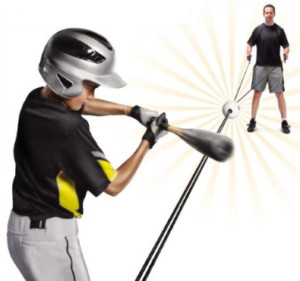
The ZipnHit PRO Youth Baseball Trainer is available at Baseball2u.com at a discount price.


Infield Drills For Softball and Baseball Players - Get the Outs Your Team Needs!
By Dennis McCurley

Some old expressions just get better with time. To be any good at almost any sport you must "keep your eye on the ball". This is especially true when it comes to playing an infield position on any softball or baseball team. To fully live up to this statement you must practice, practice, and practice some more.

Someone once said that practice makes prefect. I totally disagree. However, prefect practice will make one prefect. Playing any of the infield positions on a baseball diamond requires many skills and some talent. To improve at the skill level one must participate in the drills of practice.

The first drill that most coaches and players work on is simply ground balls. Here it is important for the fielder to ensure that he/she is in front of the ball as it approaches. In youth ball it is recommended that the player actually go down on his/her left knee for right handed, opposite for left handed, and field the ball. The reason for going down on one knee to make sure the glove is on the ground so the ball will go under the glove and into the outfield. It is easier for a young player to drop to one knee than it is to lower the butt to allow the glove to be on the ground.

After all players have fielded several ground balls now it is time to begin situational drills. No body is on base, the ball is hit on the ground to third, the third baseman scopes up the ball and throws to first. This drill is repeated until all infielders, including the catcher, fields several ground balls hit to his/her area and successfully throws to first.

Now then the situation changes. Here you have a runner on first so the intent is to make sure you prevent this runner from advancing to second. So, wherever the ball is hit the first throw is made to second base. If the ball is hit to the left side of the infield then the second baseman covers the bag. If the ball is hit to the right side of the infield then the shortstop covers second. After several of these situational plays have been made it is time to step it up just a bit.

Once again you have a runner on first with less than two outs. Now you will still be concerned with preventing the runner from advancing to second but also want to attempt to throw out the batter at first base. This is call a double- play and is very important in the games of baseball and even softball.

If the ball is hit to third base, the infielder fields the ball, he is to throw to second base which will be covered by the second baseman. Here it is very important for the third baseman to make sure he steps directly towards second. If his step is more towards left center then the ball will tail in that direction and pull the second baseman off of the bag therefore preventing the first out of the double-play. If his step is more towards right cent or even right field then the ball will tail in that direction causing the second baseman to be pulled into the base path and possibly causing a collision between the fielder and the runner. Even if the second baseman is able to apply the tag the umpire might rule runner interference and award the base to the runner. This is why it is imperative for the third baseman to work on his footwork so that he/she will be able to make a true throw to begin the double-play.

Assuming that the third baseman delivered the ball to the second baseman without pulling the player in any direction it is now time for the second part of the double-play. If the second baseman was at the bag when he/she caught the ball all that needs to be done is the bag needs to be touch by either shoe, a step backwards is taken, then step and throw to first. This is the ideal way in which to turn a double-play. If the second baseman receives the ball as he/she is approaching the bag then the base must be touched and since the forward progress will take the player towards third the fielder would then jump in the air, twist his/her body around in the direction of first base, and then attempt the throw. I am sure that you can easily see why being at the base before the throw is the best way to complete this type of double play.

Now then if the ball is hit to the shortstop a simple relay toss needs to be made to the second baseman. Here it is important to make sure that the shortstop does not throw the ball in the same manner as if he was throwing to first base. While a quick throw is important, throwing the ball too hard for such a short throw will probably end up with the ball being missed or dropped by the second baseman. Again it is best for the second baseman to be at the bag awaiting the throw so he/she can then pivot and make the throw to first.

If the ball is hit to second the fielder must set his/her feet to make a clean toss or throw to the shortstop so that the throw to first can be made quickly and accurately. If the second baseman fields the ball as he/she is headed towards second then a simple underhand should suffice. If the fielder is moving towards first then the fielder will have to set his/her feet to enable an accurate throw to second which normally will be a sidearm throw.

Now then, if the ball is hit to the first baseman he/she will need to make sure that the lead foot is inline towards second base so the shortstop can then relay the ball back to first. The same manner as the third baseman the footwork must be correct. Again if the lead foot is more towards left field the ball will tail in that direction and if the foot is more towards center field the ball will tail that way. After making the throw the first baseman must then turn and return to first so that the relay throw from the shortstop will have a chance of completing the double-play.

After these situations have been covered and fully explained it is now time to work on the pop-up. Here it is important for the fielder to position themselves under the pop fly. They should make the catch with both hands to assure that the ball will not be able to spin out of their glove. If games will be played during the day then each fielder will need to practice shielding the sun from their eyes by using their glove to block the sun. This is not as easy as it appears but with practice the skill is obtainable.

By working on these drills one can only hope that the learned skills will equate into the outs that are needed to be reached in every game. Remember, practice does not make one prefect;however, prefect practice does enable one to be prefect.

Article Source: http://EzineArticles.com/?expert=Dennis_McCurley

Article Source: http://EzineArticles.com/5999412

============

Thanks to Our Sponsor – Baseball2u.com
BatAction Youth Hitting Machine
BatAction 360
SKLZ Lightning Bolt Pitching Machine
SKLZ Light Bolt PRO Pitching Machine
Joe Mauer PX4 QuickSwing Baseball Trainer
Advanced Skills Tee by Muhl Tech
SKLZ 5 Position Batting Tee
ZipnHit Pro Baseball Swing Trainer
Jugs Small Ball Pitching Machine

Tuesday, July 12, 2011

Coaching Baseball - Four Valuable Coaching Tools That Every Baseball Coach Should Own

Coaching Baseball - Four Valuable Coaching Tools That Every Baseball Coach Should Own
By guest author: Nick Dixon


First of all, let me say this is not a commercial or endorsement for a baseball training tool or product, although my company sells some of the best in baseball. This article is about 4 relatively inexpensive components that are valuable coaching tools that are available in your favorite mass merchant store. I feel that these components should be in the carry bag of every sports coach.

We all know and realize that productive practices do not happen by chance. The good practices are well planned and organized with specific practice time periods and specific skill drills. As a high school football and baseball coach with over 25 years of experience, I am 100% convinced that these four components can make any sport practice, at any level, more organized and productive. Those components are 1) a Stop Watch, 2) A Detailed Practice Schedule, 3) a Video Camera, and 4) Practice Cones or Markers.

How these four coaching tools improve the quality of practice and instruction.

1. Stop Watch - It is essential that every practice be divided into specific individual or team drill periods. A good stop watch helps keep everything on time and running smooth. It is recommended that time slots be kept shorter for younger age groups. Very seldom would a drill go over 10 minutes for youth teams.

2. Written Practice Schedule - Going on a practice field without a written practice schedule is like driving a car without a steering wheel. You can not conduct good practices without good planning and organization. The practice schedule is divided into time periods with specific team and individual drill. Taking the time to evaluate what the team needs most is extremely important. These written schedules should be kept and reviewed to see when various topics, fundamentals, and skills were taught and practiced. Each schedule outlines what drills are done, the time of the session, what players are involved, and what coaches are conducting the drill.

3. Digital Video Camera - As you have heard many times over and over, the "big eye in the sky does not lie". A saying that coaches use to emphasize that what you see on video is exactly the way it is. The video camera is a coaches best friend when it comes to teaching hitting, pitching and fielding fundamentals. Video filmed practice action shows players what they need to improve on or correct. Video play backs can also provide positive or negative feedback to reinforce coaching and teaching sessions. If they actions are wrong, they can see their mistakes. If their action is correct, they can see how well they performed. Players recognize and understand verbal instruction much better when they can see a video. Hitters can correct a flaw in swing mechanics much easier if they can actually see the mistake they are making. It is a good idea to video both individual and team drills for later review.

4. Plastic Practice Cones or Markers - These relatively inexpensive cones or markers are used to set up drills. They are orange in color and stack inside themselves to make this easy to store and carry. There are many uses that these can be used for. You can mark bunt zones. You are mark the "get to the line" spot for pitching fielding practice. You can use them to mark the path for a base runner to "fish hook" at first base on a ball hit through the infield. You will come up with many more uses as you plan your practices and workouts.

I hope this article has been useful to you. If you are looking for more articles on baseball, you may visit the Baseball Coaching Digest Blog and the Youth Baseball Clinic Blog. Both feature daily post and articles on all aspects of coaching baseball.

Players develop incredible bat speed and confidence when they regularly use the Derek Jeter Hurricane Hitting Machine. See it at http://www.HurricaneMachine.com. See the world's most advanced batting tee at AdvancedSkillsTee.com.

Article Source: http://EzineArticles.com/?expert=Nick_Dixon

=========================
Thanks to our sponsors:


Baseball2u.com and CoachesBest.com is your online super store for baseball batting cages, pitching machines and protective screens and nets. This fully licensed company has a full time staff to help you from 8:00 to 5:00 CST. You may order securely online or by phone, toll free, at 1-877-431-4487.
Check out these categories that are featured at Baseball2u.com.
Jugs Complete Packages
Batting Cages
60' Portable Batting Cage
55' Portable Batting Cage
70' Portable Batting Cage
Extender Batting Cage 30'
Jugs Pitching Machines
Iron Mike Pitching Machines
BATA Pitching Machines
Heater Pitching Machines
Granada Pitching Machines
Phantom Pitching Machines
…and if you are looking for Youth Training Equipment, Advanced Baseball Training Equipment, Training Bats, and Pitching & Throwing Trainers, or Portable Mounds, they have those too!
Plus, they have one the internet's largest selections of Baseball Training and Coaching DVDs and Books. Make sure to chweck our their CLEARANCE DEPARTMENT for rock bottom prices on top quality equipment.

Monday, February 21, 2011

5 Disturbing Items in Youth Baseball Today

5 Disturbing Items in Youth Baseball Today
By guest author: Allen R.

I love baseball. I played baseball from the age of 5 to the age of 18. I was in organized baseball leagues starting at the age of 8. After a layoff of 11 years, I played in a men's league for another 3 years and I've been an umpire for the past 5 years.

I've seen and experienced a lot during my time in the game. The last few years as an umpire, dad and coach has been eye-opening in regards to youth baseball. Here are 5 things I find disturbing about youth baseball at this time:

1. T-Ball as a "Level" - Yes, everyone does make contact but it does not prepare the player for the reality that they will miss the ball more often than make contact. I believe that it also retards the development of hand-eye coordination. One of the hardest things to do in sports is to hit a round baseball with a round bat while both are in motion. Why not allow children the opportunity to improve this skill as soon as they can? A hitting "T" removes most of that development by placing the ball in a stationary position. The batting "T" is a tool to improve one's swing or reestablish it after a long layoff or offseason - not a division in a youth baseball league.

2. Games Without a Score - This is prevalent throughout the lower levels of all youth sports. It is supposed to foster higher self-esteem in the players since nobody loses (I think this is supposed to make the parents feel better about themselves). In reality, all of the players lose. Keeping score is essential to charting a team's progress. I must admit that in my first year as head coach of my son's baseball team I succumbed to this regulation. This year, while the official line is we are not keeping score, I will keep it. This way I can see how we are progressing. The kids always ask me anyway!

3. Facemasks on helmets - Fortunately, this is not too common - yet. I understand the intent - to protect the player against injury and also alleviate a fear of the ball. While it will help the player now, these are 2 things they will have to deal with down the line when the consequences are much greater. I'd rather a player understand the mechanics of getting out of the way of the pitch (turn away from the ball) when it is traveling at 30 mph or so vs. 65 - 75 mph and higher.

4. Non-throwing rules for catchers - Again, thankfully, I have not run across this many times. There was a league that I umpired games for that forbid the catcher from throwing the ball to third base on a steal. This went hand-in-hand with the restriction on stealing third base only once per inning. This rule was put in place so the catcher wouldn't overthrow the base. Well, how is a catcher supposed to sharpen his accuracy if he cannot throw in a game situation? This was at a 9 year-old level, mind you.

5. Batting through the order each inning - This one I am torn on. The premise is a good one at the younger levels. Each team bats all the way through without regard for the number of outs. While it doesn't reinforce the importance of making proper plays and getting 3 outs quickly, it does keep the game moving at a good pace.

There are more things that bother me about the youth baseball leagues. These are just some of the most egregious.

Allen. R is a technology professional with over 10 years experience. He's been involved with the game of baseball for over 20 years as a player, umpire and manager. He currently resides in New York with his family.

For more helpful tips and articles, please visit http://www.prudentdad.com

Article Source: http://EzineArticles.com/?expert=Allen_R.

=================

Thanks to our sponsors:


www.BatAction.com


---BatAction Machine at CoachesBest.com
---BatActionMachine on Ebay.com
---BatAction Machine Video Clips
---BatAction Trainer - 15 Reasons Why You Must Own This Machine
---Message to Parents From Coach Nick
---If you are looking for BatAction Replacement Balls or Power Bands Click Here

Thursday, December 23, 2010

Baseball Practice - How to Prepare for a Successful Season


Baseball Practice - How to Prepare for a Successful Season
By Kenny Buford

The key to successful baseball practice -- and a successful season -- is communication. Coaches, players, and parents should all be on the same page regarding the expectations and philosophy of the team.

Communication is Key

Some important issues that should be communicated at the beginning of the season are:


Schedule: players and parents should receive a practice and game calendar as soon as possible so that they can make family and travel plans around it.
Uniform: communicate to players (and parents, depending on age) what you expect them to wear to practice. Games will most likely require uniforms, but if you have any expectations of what players will wear to practice, you need to let them know early.
Practice plan: coaches and players should know what's expected of them during practice and how long each practice is going to last. Each coach should have a clipboard outlining the practice plan for that day, and it would also be beneficial for the plan to be posted so that players can access it as well.
Having all this information available requires a lot of organization and thinking ahead. By knowing your philosophy and approach ahead of time, you can effectively communicate with your team.

Organizing Baseball Practice

When organizing a practice schedule, you should first consider what your goals are for both the short and long term. This will help you determine what to accomplish over the entire season, and you can then break it down into months, weeks, and single practice sessions. Your plan should be flexible to allow change as needed, but having goals will keep your team focused and provide direction for the season.

Any given practice might go something like this:


Begin with stretching while talking about baseball. Players should get their head in the game as soon as practice starts.
Next have the players run to get warmed up.
After running, pair up the players for catch. More advanced players should be paired based on their positions, and beginning players should be paired based on ability level.
Next players should work on drills based on their positions. When teaching drills, coaches should first demonstrate them so that they know players do them correctly, and then have them repeat the drill until it becomes habit.
After drills on the individual, group, and team level, players should have batting practice.
The final part of practice should be running. Running conditioning is most effective if it is somehow related to game play, like exercises to improve base-running technique or even sprinting on or off the field.
For a successful season, practices should be consistent and progressive. Follow the steps above for each practice, knowing ahead of time which skills you would like to focus on. By being organized and communicating your goals to your team, players will come to practice knowing that their hard work is going to pay off!

To learn more coaching tips, go here to watch a free video:

http://www.baseball-tutorials.com/vid/
Kenny Buford is a youth baseball coach, and the owner and publisher of Baseball-Tutorials.com, the web's #1 resource for baseball practice drills, tips, and ideas for youth and high school coaches.

Article Source: http://EzineArticles.com/?expert=Kenny_Buford

============================

Derek Jeter Hurricane Hitting Machine Demo Video


Check out the Hurricane Hitting Machine: Derek Jeter Series:
Hurricane Hitting Machine - Homepage
15 Reasons To Buy a Hurricane Trainer
6 Questions Often Asked By Customers
Message to Parents From Coach Nick
Examples of Hurricane Hitting Drills
The Highly Acclaimed 20-Minute Hurricane Batting Practice Workout
Hurricane Batting Machine Video Clips
Derek Jeter Hurricane Hitting Machine

Wednesday, August 18, 2010

59 Minute Baseball Practice


59 Minute Baseball Practice
LNersesian
The Youth Sports Club is a leading producer of sports instructional videos and DVDs. "The 59 Minute Baseball Practice" has been called "the bible of baseball instructional tools." This superb instructional video, available on DVD, contains over 30 easy to follow drills, including hitting drills, pitching drills, first and third strategies, and base running drills. For more information on how to purchase any of these titles, visit: www.youthsportsclub.com

===========
Thanks to our sponsors:


Thanks to our Sponsor: Advanced Skills Tee

AdvancedSkillsTee.com
Advanced Skills Tee at Baseball2u.com
Advanced Skills Tee Reviews
Advanced Skills Tee Product Description
Used By Over 1,200 High Schools and Colleges!

Saturday, July 31, 2010

Baseball Practice Schedule - How to Stay in Peak Performance Shape


Baseball Practice Schedule - How to Stay in Peak Performance Shape
By Guest Author Jack Perconte

Baseball Practice Schedule - How to Stay in Peak Performance Shape

Adhering to a baseball practice schedule is important for serious baseball players. However, I am a big believer in having young athletes play as many sports as reasonable and affordable. Playing other sports can help players develop the footwork and hand/eye coordination that can enhance players' baseball skills. Additionally, playing other sports can keep players from burning out on baseball at a young age.

Over the past fifteen years or so, travel sports have become so prominent for youth athletes. This movement into travel sports has led to athletes specializing at younger and younger ages. When athletes should specialize is a subject for another day, but the point is that multiple sports can be very beneficial for baseball players being able to stay in peak performance shape and for avoiding burnout.

Having said that, it is also important to have young athletes whose favorite sport is baseball, to practice and play baseball for more months out of the year than just their regular season. I believe a good plan for developing successful baseball players and for staying in peak performance shape is to add one month of baseball play and practice to a players schedule for every year beginning at age 9. For example, nine-year-old players should play an extra month beyond their regular season schedule and ten year olds, who love baseball, should play and /or practice two extra months. By the time a player is a teenager they should be playing and practicing baseball for up to nine months out of the year. A three-month break, when players can totally get away from baseball is always recommended, even for the most serious players.

Other suggestions to develop a complete baseball practice schedule to maintain peak performance shape are:

1. Bigger, stronger and faster is always better so having young athletes perform age-appropriate speed and strengthening programs is beneficial.

2. Learning the correct fundamentals is priceless. Having players receive professional, fundamental instruction is important. Developing correct throwing mechanics is especially important for avoiding arm injury.

3. The best time to build arm strength is a throwing program beginning after the regular season when players' arms are in shape. The exception would be for pitchers who threw a heavy inning load during their season.

4. An off-season baseball program that promotes fun and fundamentals is a good start before preseason baseball practice begins.

5. Protecting the arm is of paramount importance so a strict pitch and inning limit should be placed on pitchers.

6. Hitters should get in the pattern of using a batting tee for warm-ups and for performing good, fundamental hitting drills.

7. Working hard is always advised but having rest periods and off-days is necessary to remain in peak performance shape, too.

8. Baseball is a game of repetition and nowhere is that more important than when performing fielding drills. Players need to work on fielding as much as they do the other parts of the game.

9. Running the bases for correct footwork and timing is important, as well as for conditioning work.

10. Game play is of course necessary for learning game strategy, as long as a limit on games is adhered to for young ballplayers. Burnout can occur in young ballplayers with an overabundance of games mixed in with practice.

Finally, it is always a good idea to analyze players' school and other sport schedule in order to draw up a good yearly baseball practice schedule that suits that individual.

Former major league baseball player, Jack Perconte gives baseball hitting tips and batting practice advice for ballplayers of all ages. His baseball playing lessons, books and advice can be found at http://www.baseballhittinglessons.com/baseball Jack is the author of two books, The Making of a Hitter and Raising an Athlete - his positive parenting advice and books can be found at http://positiveparentinginsports.com

Article Source: http://EzineArticles.com/?expert=Jack_Perconte

========================

Thanks to Our Sponsor:


Joe Mauer Quick Swing Trainer
QuickSwingTrainer.com
How Does the Quick Swing Batting Trainer Work?
Joe Mauer Quick Swing Links
Video Demo of the Joe Mauer Quick Swing Baseball Batting Trainer

Friday, May 21, 2010

Baseball Swing Instruction - How Do You Practice Your Swing?


By Todd Thomas

I believe that how you practice is as important as the act of practicing itself. Good and productive practice is about more than just getting in your reps. If you're just practicing to mindlessly get your reps in, then you are missing out on how valuable practice can be.

Hank Aaron told noted Sports Psychologist, Dr. Tom Hanson, that practice was the single number one secret to success. Imagine that. Practice. But again, making your practice productive is equally important.

What important in making your practice productive is to have a goal for what you want to improve. If you are having an issue with something in your swing, my first question is do you KNOW what that issue is? How can you really improve or fix it if you don't know what it is? Have a knowledgable coach or instructor help you break it down to isolate what you want to work on. It's even better if you are able to identify the issue on your own through your own self awareness.

Once you begin the practice process of striving to improve or fix a fault in your swing, it's important to stay level headed if it's taking time or if you keep doing the same thing or if you are just struggling to get your swing where you want it to be. It does no good to get upset, frustrated, and angry and then give up. Stay level headed and as best you can, be "aware" of what is causing the problem. Be aware of whether what you are doing to improve is actually making you better.

Know where you are now. Know what your goal is and be aware of your progress. If you see improvement, then you know what you are doing is productive for you. If not, you might want to try something else rather than staying with something that is not helping you to improve.

Every time you are going to practice, ask yourself what you goal is for that practice session. If you don't and you just are "getting in your reps", then you're not giving yourself the best opportunity to reach you ultimate potential.

Todd Thomas is a Baseball Coach and Professional Hitting Instructor for Mike Epstein Hitting. Coach Todd's personal hitting website is http://www.HitItHere.net. Coach Todd also enthusiastically endorses http://PlayMyBestBaseball.com as a place where baseball and softball hitters can master the Confidence, Composure, Focus and Consistency of their game so they can reach their full potential.

Article Source: http://EzineArticles.com/?expert=Todd_Thomas

Thanks to our sponsor:

---BatAction Machine at CoachesBest.com
---BatActionMachine on Ebay.com
---BatAction Machine Video Clips
---BatAction Trainer - 15 Reasons Why You Must Own This Machine
---Message to Parents From Coach Nick
---If you are looking for BatAction Replacement Balls or Power Bands Click Here

BatAction Demo Videos on Youtube

Monday, May 17, 2010

How to Take an Energy Packed Pre-Game Infield Practice

AdvancedSkillsTee.com
By Jack Perconte

Pre-game infield practice can be extremely useful for youth baseball, where kids are still learning to play the game correctly. However, I've never understood the traditional infield practice routine. Hitting the ball to a player that knows the ball is coming is not very game-like. Of course, we want our fielders to expect and want the ball hit their way. In games though, players never know the ball is coming to them for sure, like it is done in the traditional infield practice method.

The traditional way of taking infield, where coaches begin by hitting the ball to the third baseman and continuing position by position, is often boring and "energy lacking" for players The traditional way serves to get players' arms loose and ready for the game, however, it can be done in a much more useful way. With a few modifications to the traditional infield practice routine, infield practice can be used to help youth baseball players learn the finer points of the game much quicker. With these modifications, more energy is created, as players become more alert fielders and more knowledgeable players.

Here are the modifications that may add a spark to infield practice. Adding the new dimension of hitting the ball to any position randomly, and at any time, makes players much more alert. This random infield practice method keeps players on their toes because the ball may be hit to them at anytime, as well as putting their mind in a game-like state. Additionally, coaches can call out where runners are on base and instruct players how to adjust their positioning depending upon the called-out situation. Over time, coaches will begin to see players know how to adjust their positioning on their own, which will carry over into games. Of course, having players learn the game and how to adjust on their own, until it becomes second nature, is the objective of good coaching and why this modified pre-game infield practice is so valuable.

Of course, this random approach can be done with outfielders also, where the ball can be hit to any field at anytime, and with called-out situations. When this is done, infielders will be learning how to line up correctly for cut-offs also. Outfielders will have to be thinking game-like also of where to throw the ball and of hitting the cut-off man. This alternative infield/outfield practice can be a valuable learning time. Coaches may find that it takes up more time than available. When that is the case, coaches can use this method in practice until their team is ready to use it pre-game.

Coaches do not have to totally abandon the traditional way of taking infield, but using this method can infuse energy into a team and help players learn the game much better. Finally, I have seen this pre-game infield practice get the competitive advantage over the opposing team. Often, this modified infield practice gets the attention of the opposing team and may served to psyche the opposing team out with the increased energy and innovative approach. Seeing players automatically reposition themselves and know where to throw balls depending on the situation will definitely impress the opposition.

Former major league baseball player, Jack Perconte gives baseball hitting tips and batting practice advice for ballplayers of all ages. His baseball playing lessons, books and advice can be found at http://www.baseballhittinglessons.com/baseball
Jack is the author of two books, The Making of a Hitter and Raising an Athlete - his positive parenting advice and books can be found at http://positiveparentinginsports.com

Article Source: http://EzineArticles.com/?expert=Jack_Perconte

Our Sponsor:

What are coaches saying about the Advanced Skills Tee?

"Our team trains daily on the Muhl Tech Advanced Skills Tee. The forward arm and outside barrier helps our players create a proper swing plane and stay short to the ball. These tees are extremely durable and the brush cup ball holder is a great idea, they have held up for years. I would recommend them to any baseball program."

Stan McKeever
Head Baseball Coach
La Cueva High School
Albuquerque, NM
2004 Collegiate Baseball America/Easton Sports Poll National Champions

AdvancedSkillsTee.com

Thursday, April 22, 2010

How to Run a Great Baseball Practice


CoachesBest.com - Your best choice for coaching and training equipment!
How to Run a Great Baseball Practice
By Jack Perconte

Of course, the number one key to running a great baseball practice is organization. Legendary basketball coach John Wooden was famous for mapping out every detail of his practices, with every second of practice accounted for. This may be a little extreme for coaches of youth baseball but the point is that coaches who are organized will get the most out of their practice time. Baseball coaches should map out their preseason practices to be sure they cover every important aspect of baseball for the age of the player. As the season progresses, coaches can gear their practice time to cover the areas most needed, based on their team weaknesses. Following are some points that coaches should consider to run a great baseball practice:

1. Get in the habit of starting practice on time - parents who bring their child late will get the message early in the season that a late player will be missing out on some instruction.

2. Do not neglect warm-up time. This time is a very important time for coaches to teach the fundamentals.

3. Get help from assistant coaches and interested parents but be sure to inform them of the correct fundamentals that they should be watching for and teaching.

4. Keep players busy - players should not be standing around very often. Small group stations are recommended when coaches have help and game action drills or play is recommended when help from assistants is not available.

5. Keep stations relatively short so boredom does not set in and try to cover as many aspects of the game as time allows each practice.

6. Mix up the pattern of each practice - for example, if you work on hitting first one practice, work on defense first the next.

7. Safety is paramount at all times so don't forget helmets, etc... Use of softer balls for younger aged players can really help teaching all phases of the game.

8. Kids love competition and contests - the use of those when players begin to get bored, or tired, can spur enthusiasm. Using contests as incentive to work hard early in practice, with the idea of competition (games) later in practice when players work hard, can be a good idea.

9. When having contests, be sure to handicap them some so each player, or group of players, have a chance at winning. Make sure and let players know that a handicap system is in place for fairness.

10. Reward hard working "practice players" and not just star game players. Rewards for best defensive, offensive and hustle player(s) of each practice will spur good effort in practice.

11. Try to give the same amount of attention to each player. Players who feel slighted will be affected and other players will generally notice the slight of another player also.

12. Give homework. Inform players and their parents of the things you would like them to work on before returning the next time.

13. Long drawn out talks are never recommended. Bringing in a guest speaker or coach can be memorable for players.

Finally, coaches who remain positive, informative and hopeful will have the best chance of developing good players, as well as fun loving baseball players.

Former major league baseball player, Jack Perconte gives baseball hitting tips and batting practice advice for ballplayers of all ages. His baseball playing lessons, books and advice can be found at http://www.baseballhittinglessons.com/baseball Jack is the author of two books, The Making of a Hitter and Raising an Athlete - his positive parenting advice and books can be found at http://positiveparentinginsports.com

Article Source: http://EzineArticles.com/?expert=Jack_Perconte


Sponsor Links:

Shop CoachesBest.com for your baseball coaching needs including baseball training aids, training videos, and other coaching supplies. Check out the Derek Jeter Hurricane Hitting machine by SKLZ at HurricaneTrainer.com.

See the “Original” Rotational Hitting Machine at BatAction.com. Are you looking for the perfect trainer to teach proper timing and swing mechanics? You can stop looking and go to HandsBackHitter.com.

Players develop incredible bat speed and confidence when they regularly use the Quick Swing Trainer. See it at QuickSwingTrainer.com. See the world’s most advanced batting tee at AdvancedSkillsTee.com.

Are you looking for a great batting cage at discount prices? Are you considering building your own backyard batting cage and training center? If so, you should visit BattingCagesDirect.com now!
Blogs for Baseball Coaches Links:
BLogs4Coaches Twitter
Blogs4Coaches.com

Tuesday, March 2, 2010

Youth Baseball Coaching Practice Schedules and Fields


Youth Baseball Practice Training Aid - Batting Machine by SKLZ

Article Title:
Youth Baseball Coaching Practice Schedules and Fields
By John Nowly

Practice is defined as doing or repeating a pattern, or polishing a skill. What we are trying to do is polish the skill. Practice is the tires that make the vehicle go. Practice is the oil that makes the machine run. You will be shaping young minds on your new endeavor. Some of the youngsters you get might be stepping onto the field for the first time in their lives. It is quite possible you will get kids who do not have any ability to make contact with a baseball or have any idea how to judge a fly ball. As a coach, it is important that you provide an informative environment to learn a new skill and develop an effective program for developing that skill.

The informative environment is something we will be covering in lesson seven with baseball drills. Developing these skills happens in the running and planning of practices. In today's high tech, instant satisfaction, high-energy world, everyone is always in a hurry. I suggest setting up a consistent practice schedule. You will find it can be extremely beneficial for everyone involved. Chances are when the season starts you will not have your game times yet but you will have an idea of which nights you will be playing.

One of the advantages of deciding your practice schedule as soon as possible is so you can get the fields locked up. At the beginning of the year before the games start, you will want to get in as much practice as possible. Typically, practices can be for 2 to 6 weeks before your first games are scheduled. I would suggest that you would want to practice at least 1 and a half to 2 hours per session. Any longer than that, depending on the age of the kids, you risk losing their attention. After a week or two of practice, you will get a feel for how long you can practice before the learning curve takes a belly flop into home plate. This is something you need to be in tune with as a coach in order to maximize your time while you have their full attention.

What you want to do is set a practice time that is the same every single non-game day. In the beginning of the year, you should not have problems getting in all your practices. Once the games start, fields and peoples schedules get full. Make sure to print your practice schedule out on a piece of paper and give to the kids. Start with a Monday thru Friday practice schedule. This gives everyone his or her weekends open for now. A start time that is after work is recommended as this time works best for all involved. It gives time for the kids to get their homework done, stay after school as necessary, and gives the parents time to get home from work. Setting practice at 5 to 6:30, 5:30 to 7 or 6 to 7:30 seem to be the best times for parents. It gives them time to get the kids from daycare, and drive your future All Star shortstop to baseball practice. It will also give the parents time to be involved, sit, and watch their child practice. Another benefit is that this time will be consistent with game times after the season starts. Consistency is easier on everybody as it is one less thing to remember. Practice is everyday at the same time.

When the games start, the practice schedule will change. Say your games are on Tuesdays and Thursdays. Practice will then be every Monday, Wednesday and Friday. Alternatively, if you play Wednesdays and Fridays, practice is every Monday, Tuesday and Thursday.

Do you notice anything about the above schedule? I will give you a hint. I do not do windows on weekends. Ideally, your league does not schedule games on Saturday. This can vary from city to city and having a Saturday morning game is still quite popular. If that is the case, you might be playing a Thursday, Saturday schedule. Schedule your practices then for Tuesday, Wednesday and Friday. My philosophy of practice schedules is that weekends are off days for family. Many people work all week and the weekend should be time for the family to be able to get together and go out of town or spend quality time together.

ProfessorNow.com™ offers free educational courses in an easy to follow format in various subjects. To view a free online course covering the subject of this article, please visit www.professornow.com/coursedescription/coachingyouthbaseball/index.html [http://www.professornow.com/coursedescription/coachingyouthbaseball/index.html]

Article Source: http://EzineArticles.com/?expert=John_Nowly

===Advertisement from our sponsor:=====
Baseball2u.com/CoachesBest.com is the ultimate online baseball training and coaching store. With over 1400 products organized into categories Baseball2u.com makes finding that baseball training product easy and simple. Order securely online or by phone. Baseball2u.com is a fully licensed company and has a full time staff available from 8:00 to 5:00 CST. Their toll free customer service number is 1-877-431-4487.

The Categories they have are: BatAction Hitting Machines, Hurricane Hitting Machines, Batting Cages, Pitching Machines, Jugs Equipment, Game and Practice Baseballs, Protective Practice Screens and Nets, Portable Pitching Mounds, Baseball DVDs & Books, Clearance Items on Sales, NEDCO Bataction Replacement Parts, Baseball Training Equipment, Youth Baseball Training Equipment, Training Bats, Pitching & Throwing Trainers, Defensive Trainers, SKLZ Hurricane Replacement Parts and Much Much More! Visit Baseball2U.com today!

'''''''''''''''''''''''''''''''''''''''